Sharp increase in rescue operations
As winter arrives, the mountains around Madrid once again attract outdoor enthusiasts. However, this also brings a rise in emergencies. Last year alone, regional rescue teams carried out more than three hundred evacuation missions to assist people stranded in the mountains. These included both injured and deceased individuals. The most challenging months are those with severe weather, when trails become icy and snow-packed and temperatures plummet.
Recent statistics are alarming: the number of emergency calls has jumped by almost fifty percent compared to a decade ago. In 2024, rescuers say that winter has become one of the most dangerous times of year. The main reasons are not just unpredictable weather but also the lack of preparation by hikers, many of whom underestimate the difficulty of the trails and the realities of winter conditions.
Common mistakes and essential preparation tips
Many incidents are caused by simple mistakes. Hikers head into the mountains without checking the weather, fail to bring enough warm clothing, and misjudge their timing so they don’t return before dark. In winter, daylight hours are short and temperatures can drop sharply by evening. This puts people at risk of hypothermia and even life-threatening situations.
Experts recommend carefully planning your route, checking weather conditions in advance, and always bringing extra clothing. It’s better to have an extra layer than to be left unprotected against the cold. Pay special attention to your footwear: regular sneakers are not suitable for snowy or icy trails. Don’t forget to hydrate regularly—even if you don’t feel thirsty, your body loses moisture during physical exertion in cold weather.
Winter Trail Hazards and the Work of Rescue Teams
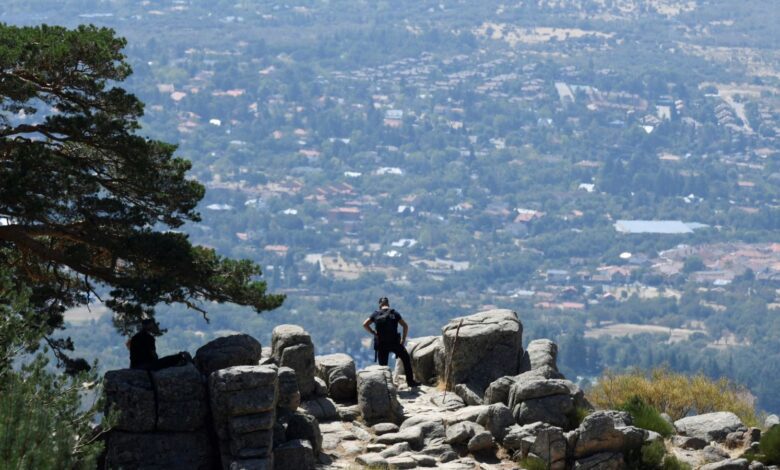
The highest number of incidents occurs on popular peaks like La Pedriza and Barranca. Here, rescue teams must race against the clock: the risk of frostbite rises in low temperatures, and access to victims is often only possible by helicopter. Last year, over half of all rescue operations relied on air support.
Victims span all age groups: both young and older people are among those in trouble. Young hikers are more likely to overestimate their abilities, while older participants may face challenges from physical fatigue. As a result, anyone, regardless of age, can find themselves in a difficult situation.
Why the Number of Incidents Keeps Growing
Over the past decade, the number of rescue operations in the mountains of Madrid has increased by 50%. The most significant surge occurred in 2021, when, after restrictions were lifted, many people rushed to the outdoors without sufficient experience or fitness. Since then, the number of emergency calls has remained consistently high, with the winter season considered the most dangerous.
Rescuers note that even experienced hikers sometimes get into trouble due to sudden weather changes or overestimating their own abilities. That’s why preparation and vigilance remain key safety factors. Anyone planning a winter hike in the mountains should remember: risks can be minimized by taking care of equipment and clothing in advance, and by carefully planning your route.