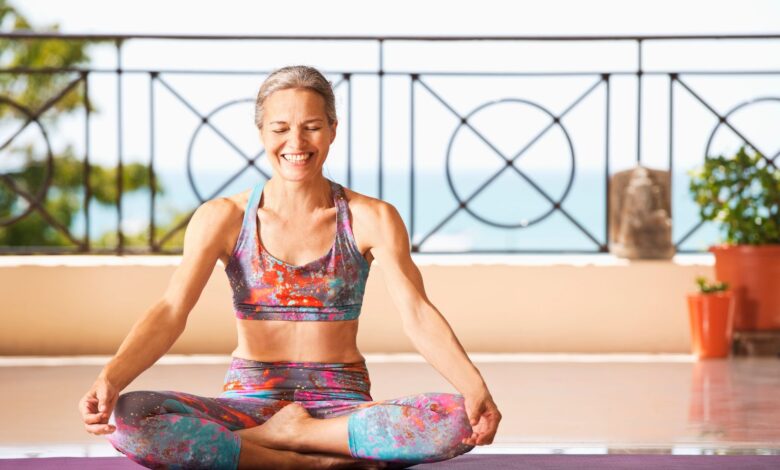
As we age, maintaining physical fitness becomes a key factor in preserving a high quality of life and longevity. In Spain, an increasing number of people over 50 are discovering yoga as an effective tool for boosting their health. This ancient practice, accessible at any age and fitness level, helps improve flexibility, build strength, and maintain balance, all of which directly impact daily activity and overall well-being.
Regular yoga practice offers significant benefits not only for the body but also for mental well-being. Practitioners report reduced stress levels, better sleep quality, and a general increase in vitality. Moreover, experts confirm yoga’s therapeutic benefits for conditions such as arthritis, diabetes, and multiple sclerosis. Longevity specialist Gonzalo Ruiz Utrilla recommends that beginners, especially older adults, practice under the guidance of experienced instructors. This ensures proper technique and helps prevent injuries, making the practice as safe and effective as possible.
For those who want to start practicing yoga, there are several fundamental and accessible poses to learn. Here are four of them:
1. Mountain Pose (Tadasana). This fundamental pose is performed standing. Stand straight, press your feet firmly against the floor, slightly bend your knees, and roll your shoulders back. This position improves blood circulation, helps relieve back pain, and eases tension along the spine. The asana helps restore the connection between mind and body and serves as an excellent starting point for safe balance training.
2. Child’s Pose (Balasana). To perform this pose, kneel down and then bend forward, lowering your forehead to the mat. Your arms can be extended in front of you or placed alongside your body. Child’s Pose effectively relieves tension in the shoulders and back, stretches the muscles of the thighs, ankles, and shins. It provides an immediate sense of calm and helps combat fatigue and stress.
3. Tree Pose (Vrikshasana). This balancing pose is performed while standing. Place one foot on the inner thigh of the opposite leg, then raise your arms overhead with your palms pressed together. The exercise not only trains physical balance and stability but also improves concentration. Beginners are advised to use support at first, such as a wall or chair.
4. Cat Pose (Marjaryasana). Start on all fours, supported by your hands and knees. Slowly arch your back upward, then return to a neutral position. This movement strengthens the back muscles, improves posture, and relieves tension in the lower back. The pose is especially beneficial for those who spend long periods sitting.
To ensure that practicing yoga after the age of 50 is safe, it is important to follow a few simple rules. Start gradually, with short sessions of 20-30 minutes two or three times a week. Listen to your body and immediately stop if you feel pain or discomfort. Pairing movements with slow, deep breathing will help maximize the benefits of your practice, promoting relaxation and oxygenating the body.
In addition to physical benefits, yoga has a profound impact on emotional well-being. It promotes inner calm, helps manage anxiety, and supports a positive outlook, which is a key aspect of healthy aging.