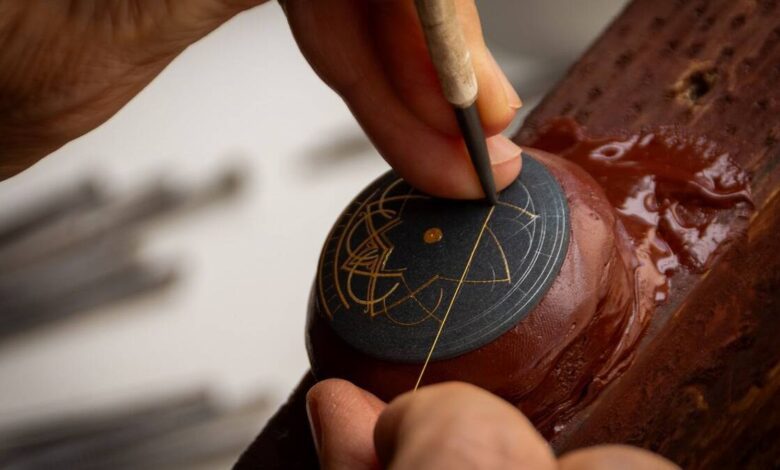
A true battle has unfolded in the heart of Toledo to preserve a unique artisan craft that has now been granted the status of cultural heritage. This decision not only strengthened the legal protection of the ancient technique, but also sparked heated debates among craftsmen, officials, and the tourism industry. The question of the tradition’s future, which for centuries has shaped the city’s identity, has now reached far beyond the region.
The official recognition of the craft as intangible cultural heritage means that workshops and their owners must now follow strict rules for preserving and passing down the secrets of the trade. For many, this is a chance for renewal, but for some artisans, it brings new bureaucratic hurdles. Authorities insist that the new status will draw more attention to Toledo and boost tourist numbers, increasing the city’s revenue. However, not everyone is convinced these measures will truly protect the tradition from disappearing.
The city’s symbol
The technique in question is the famous damascening, or gold and silver inlay on steel. In Toledo, this craft is called the ‘gold of the city’, and for good reason: items with its distinctive patterns adorn shop windows, museums, and even private collections around the world. The creation process requires the precision of a jeweler: first, the artisan engraves fine grooves on the metal, then manually embeds the thinnest threads of gold or silver, and finally, the piece is heat-treated to achieve a striking contrast and shine. The result is unique jewelry, swords, tableware, and decorative panels that are impossible to confuse with factory imitations.
For tourists, a walk through the old town becomes a true journey through time: behind the glass of workshops, you can watch new masterpieces being created and, at times, even try your hand as an apprentice. This very atmosphere, where past and present intertwine, sets Toledo apart from other Spanish cities.
Between tradition and modernity
The introduction of the new status has become not only a source of pride, but also a challenge for artisans. Now they are required not only to create works of art, but also to document every stage of their process to preserve the craft’s techniques for future generations. Some masters fear that these new requirements may stifle creative freedom and turn their craft into a museum piece. Others, however, see this as an opportunity for growth: receiving the status of a cultural heritage site opens up access to grants, educational programs, and international exhibitions.
The regional authorities are betting that damascening will become Toledo’s calling card on the global stage. The possibility of applying to include the technique on the UNESCO Intangible Cultural Heritage list is already under discussion. If that happens, the city will receive new impetus for the development of tourism and the economy. However, experts warn that without support for young artisans and local interest, the tradition risks becoming nothing more than a beautiful memory.
Cultural magnet
Toledo has long drawn in lovers of history and art. One only needs to remember how, every year in Cuenca, a lively festival takes place when hundreds of people in bright costumes with giant bells turn the city into the center of an unusual ritual— more about the February ‘devils’ parade. Events like these prove that living traditions can not only be sustained, but also inspire new generations.
In Toledo, damascening becomes more than just a craft; it is part of the city’s identity. Locals take pride in the fact that their city is one of the few in the world where this ancient technique has not only survived but continues to evolve. For visitors to the capital of Castilla-La Mancha, it’s an opportunity not just to buy a souvenir, but to touch real history, witness art being created, and perhaps become part of its future.
Toledo damascening is more than a technique of inlaying metal with precious threads. Behind each piece stands an entire dynasty of artisans, passing down craft secrets from generation to generation. Legend has it that the tradition came to Spain from Damascus in the Middle Ages, but it was in Toledo that it developed its unique style. Today, items with these distinctive patterns can be found in museums and private collections around the world. For the city, it’s not just a source of income, but a symbol of cultural continuity that unites the past and present.