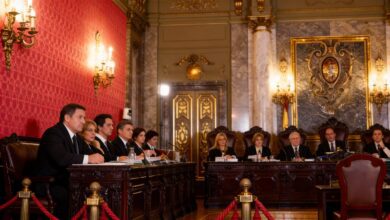
At the end of November 2025, a trial will begin in Barcelona against Jordi Pujol, the former head of the Generalitat of Catalonia, who admitted to holding significant funds in Andorran banks. This admission once stirred a political storm in the region and marked the starting point of a years-long investigation, which, according to Artur Mas, has long since moved beyond the legal domain.
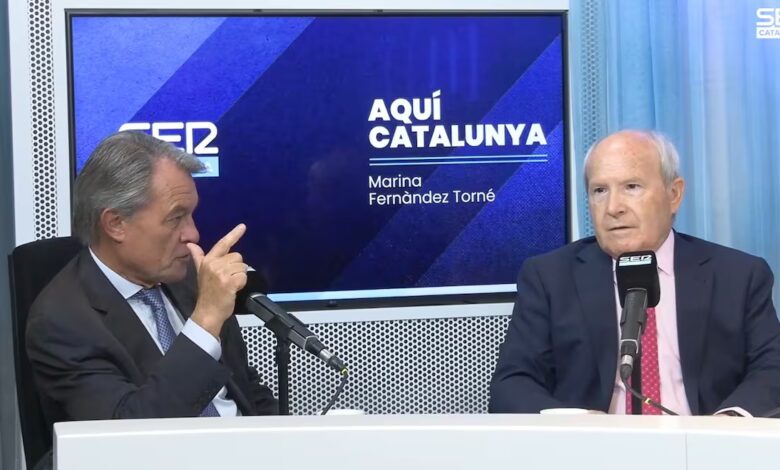
Mas, who previously served as the president of Catalonia, notes that over the years of investigation and public debate, a lasting image of Pujol has formed. Even if the court delivers an acquittal, the damage to the politician’s reputation is already irreversible. According to Mas, the length of the investigation and constant media attention have led many in Catalonia and across Spain to form their own opinions long before the official proceedings began.
A key element in this case was the so-called ‘Operation Catalonia’—a large-scale campaign aimed at discrediting supporters of the region’s independence. According to Mas, Pujol became one of the first victims of this strategy, with his name ending up at the center of public and political pressure. Over years of debate and media coverage, many people have changed their views: while Pujol was once almost unanimously condemned, now attitudes toward him are more balanced, and for part of society his reputation has even been rehabilitated.
Pujol’s health is also a concern: at 95, he faces serious mobility challenges. Although he wishes to testify in court, doctors will have to determine under what conditions he can participate in the proceedings. This adds extra drama to an already high-profile case.
The slow pace of justice and its impact on society
Former Catalonia president José Montilla has also voiced concern over the drawn-out nature of the investigation. He believes that such a lengthy process not only complicates the possibility of a fair verdict but also encourages public bias. After eleven years of waiting, many have already formed their own opinions, making it unlikely that even an objective court ruling will change public perception of Pujol.
As a result, the Pujol case has become not just a legal matter, but a social phenomenon, clearly showing how slow judicial systems and media campaigns can affect the fate of public figures. Regardless of the trial’s outcome, the process has already left a lasting mark on the history of modern Catalonia.