Deep in the Axarquía region of Málaga, nestled among hills dotted with vineyards, lies El Borge—a town whose name is inseparably linked to sweet Muscat raisins. More than just a settlement, it is truly the capital of this craft, where the air is filled with the scent of tradition. The whitewashed walls of its houses, entwined with vibrant flowers, create a picturesque contrast with the surrounding greenery, and in the narrow streets, echoes of ancient crafts and the folk songs of verdiales can still be heard.
The municipality’s lands stretch across the border between the Axarquía comarca and the Málaga mountains, preserving an almost untouched rural landscape. The Arab legacy is evident everywhere, especially in the distinctive architecture dominated by white, dramatically highlighted by geraniums and other plants in windows and on balconies. Yet this place also reveals a harsher side—El Borge is a key point for understanding the phenomenon of Andalusian banditry, which has left a profound mark on local culture.
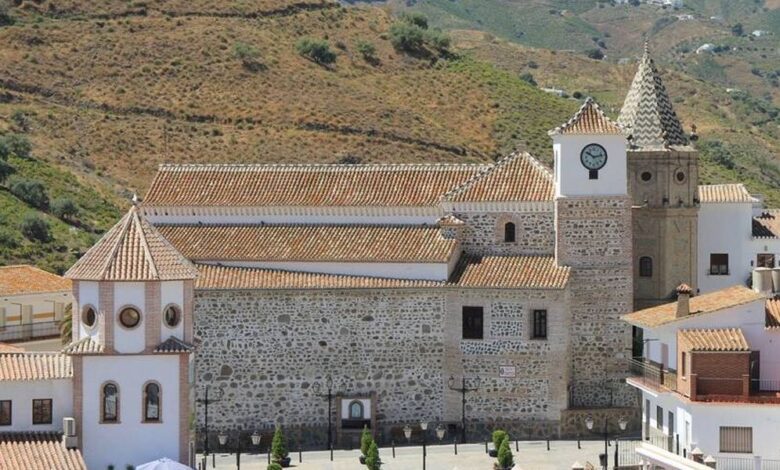
The architectural centerpiece is the church of Nuestra Señora del Rosario, built in the 16th century and recognized as a historical heritage site of Andalusia. Its appearance features a striking blend of Gothic, Renaissance, and Mudéjar styles. The importance of water to the region is highlighted by the numerous city fountains, among which the iconic Fuente del Cuerno, with its Arab origins, stands out. The town’s identity is further enriched by the Bandit Gallery—the country’s largest center dedicated to romantic banditry—and the house where the famous ‘El Bispo de El Borge’ was born. Today, this building houses the hotel-restaurant and museum ‘Posada del Bandolero,’ which has received the prestigious Solete award.
The surrounding landscape is shaped by jagged ravine-filled hills, blanketed with vineyards, almond trees, and olive groves. This area forms part of the famous ‘Axarquía Raisin Route.’ Hiking enthusiasts can enjoy scenic trails, such as the ascent to the Ejido hill or routes through the ornithological and botanical park La Alcuza. These natural viewpoints offer breathtaking vistas of the region’s rich biodiversity.
The local events calendar is vibrant and colorful. The main celebration is the Raisin Day, held on the third Sunday of September. This event, recognized as one of tourist interest for the entire province, offers visitors a chance to see traditional grape drying sheds and sample local delicacies, accompanied by folk ensembles of verdiales. In addition, the town hosts grand festivities in honor of its patron saint Gabriel, as well as the Night of San Juan bonfires, along with other popular public festivals.
Local cuisine is another strong draw. Menus here feature both classic dishes such as ajoblanco and gazpachuelo, as well as unique specialties that define El Borge’s culinary identity—like pork tenderloin in muscat sauce or kid goat with garlic. Locally sourced ‘zero-kilometer’ products give rise to these culinary creations: muscat wine, avocados, and mangoes. Not to be missed are signature appetizers such as cod fritters with cane honey or the traditional hornazo pie. To complete the experience, take a leisurely stroll through the whitewashed streets and historic districts like Rinconcillo, where flower pots on balconies add vibrant splashes of color to the white facades.
El Borge, known as the “Raisin Villa,” offers a perfectly balanced route for those seeking the authentic spirit of Andalusia. This journey through one of the “Magical Towns of Malaga” takes you among vineyards and living traditions, creating memories that will last long after your visit.