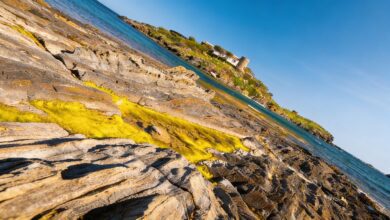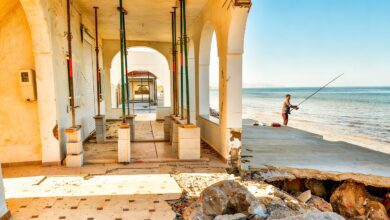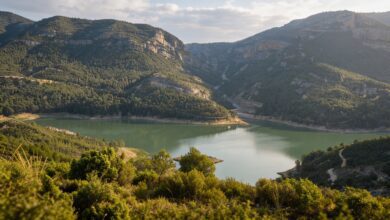
Empty houses, overgrown streets, and silence broken only by the wind — this is how some corners of Cáceres look today, places that once bustled with life. These sites have become involuntary memorials to the changes brought by the second half of the 20th century. Each village disappeared for its own reasons: some sank beneath the water, others emptied out due to economic shifts, and a few did not survive historical disasters. Yet all are part of the region’s history, impossible to erase from memory.
Granadilla
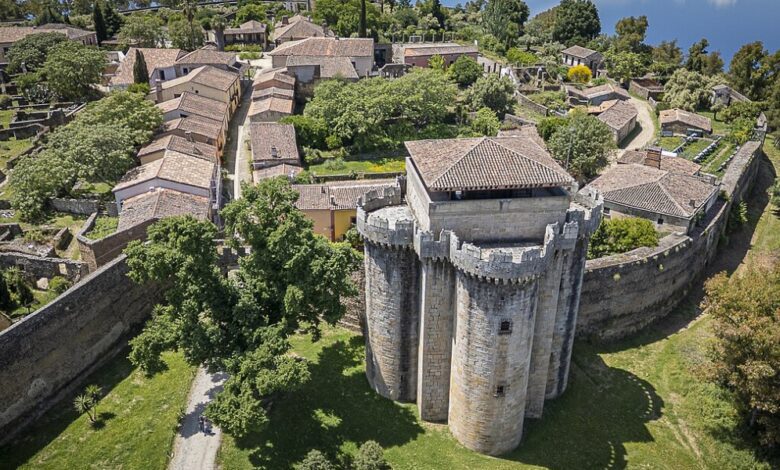
Granadilla is perhaps the most famous example among Cáceres’ abandoned settlements. In the mid-20th century, real drama unfolded here: construction of the Gabriel y Galán reservoir forced residents to leave their homes. The irony is that the waters never actually flooded the village itself, but the people never returned. Since then, Granadilla has become a ghost town, where time seems to have stopped. Today, tourists come to walk along the fortress walls, explore the ancient castle, and feel the atmosphere of a bygone era.
Almansa
Almansa, not to be confused with the city of the same name in Albacete, appeared on the map in the 1950s as an experimental agricultural project. Modern homes were built here, with promises of stable jobs and infrastructure—benefits rare in postwar Spain. However, after the death of its main founder and a series of failed decisions, the settlement slowly began to die out. By the 1970s, the streets were deserted and buildings started to crumble. Today, Almansa stands as a silent reminder of how even the most ambitious undertakings can quickly vanish.
Talavera la Vieja
Talavera la Vieja, or Talaverilla, once stood on the banks of the Tagus River and preserved traces of Roman civilization. Its fate was sealed in 1963, when filling of the Valdecañas reservoir began. The entire village was swallowed by water, forcing residents to leave their homes. Some monuments, such as the ancient portico, were saved and relocated to other cities. During dry years, when water levels drop, the ruins of Talavera reemerge at the surface like echoes from the past.
Vadillo
Vadillo, located in the Jerte Valley, was closely connected to the history of Plasencia. After the War of Independence, the village was almost completely destroyed, and epidemics and water shortages made its restoration impossible. For a time, Vadillo even held the status of an independent municipality, but ongoing conflicts and lack of prospects led to its eventual abandonment. Today, the remains of the village are now part of the outskirts of Cabezuela del Valle, where only ruins and old place names serve as reminders of its past.
La-Atalaya
La-Atalaya is one of the oldest abandoned settlements in Cáceres. Its history dates back to the Muslim period, when a watchtower stood here. After the Reconquista, the village changed hands several times—controlled by kings, nobles, and military orders. Over time, the location lost its strategic significance and residents left their homes. Today, La-Atalaya is private property within the municipality of Montehermoso, where only faint traces of former life remain.
Granadilla is a unique example of a Spanish settlement that not only experienced mass resettlement but also a second life as a historical and cultural site. After decades of abandonment, restoration efforts began, transforming the village into an open-air museum. Tours, educational programs, and even festivals now take place here, drawing attention to the issue of disappearing villages across Spain. Granadilla has become a symbol of how preserving memories of the past can breathe new life into forgotten places.