Monarchy Through the Ages: The Evolution of Royal Addresses
Public speeches by Spanish kings have always mirrored the country’s shifting landscape. Comparing the addresses of Juan Carlos I and Felipe VI reveals not just changes in monarchical priorities, but also the transformation of Spain itself. In 1975, when Juan Carlos I first addressed the nation after Franco’s death, his speech lasted just 12 minutes and contained fewer than a thousand words. Back then, the monarch emphasized his ties to the military and Catholic tradition while underscoring the continuity of power.
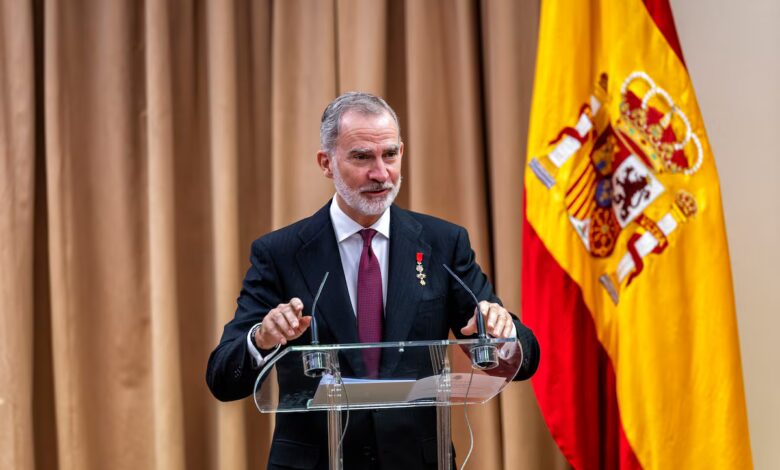
Nearly forty years later, Felipe VI delivered his inaugural speech as king. It was almost three times longer, lasting about half an hour. The new monarch focused on the need for transparency, integrity, and trust between the crown and society. His words reflected a determination to renew the monarchy and make it more accessible to citizens.
Christmas Messages: Unity and Modern Challenges
The traditional Christmas Eve addresses have given Spanish monarchs the opportunity to reflect on the past year and express support for those facing hardship. These messages have consistently conveyed sympathy for the victims of tragedy and calls for solidarity. Both kings have placed special emphasis on the need for unity and moderation in public life, particularly during times of political tension.
Corruption has become one of the most pressing issues in recent decades. In his addresses, Felipe VI has repeatedly emphasized that combating this evil is a priority for the entire country. He has spoken openly about the need for exemplary conduct and the inadmissibility of abuses, which has become especially relevant in light of high-profile scandals involving former members of the royal family.
Critical moments: the monarchy in times of crisis
In modern Spain’s history, there have been periods when the monarch’s words carried special weight. Juan Carlos I addressed the nation during its most tense moments—during the attempted military coup in February 1981, after the terrorist attacks of March 11, 2004, and at the time of his abdication. His speeches on these days were seen as a call for calm and the preservation of democratic values.
Felipe VI has also addressed Spaniards in exceptional circumstances. In October 2017, when Catalonia was at the center of a political crisis, his words became a symbol of protecting the unity of the country. In 2025, speaking at the United Nations General Assembly, he condemned the mass violence in Gaza and stressed the importance of safeguarding human rights and democratic values.
Continuity and change: looking to the future
Comparing the speeches of the two monarchs makes it clear: despite differences in style and emphasis, both sought to strengthen public trust in the institution of the crown. Juan Carlos I focused on tradition and continuity, while Felipe VI chose the path of openness and renewal. Their speeches reflect not only their personal qualities but also the demands of their era.
The monarchy in Spain continues to evolve, responding to the challenges of modern times. Public addresses by the kings remain an important tool for dialogue with society, while the themes of unity, integrity, and responsibility remain constant guiding principles for the entire country.