Enthusiasts of Spanish history and royal dynasties have a unique opportunity to connect with the past. An exhibition dedicated to Queen Victoria Eugenia of Battenberg has opened at the Royal Palace of Madrid, in the Gallery of Royal Collections. Running from December 3 to April 5, the exhibition aims to bring renewed attention to the wife of Alfonso XIII and the great-grandmother of the current monarch, King Felipe VI. The event coincides with the premiere of the TVE miniseries “Ena,” based on Pilar Eyre’s book about the queen’s tragic fate.
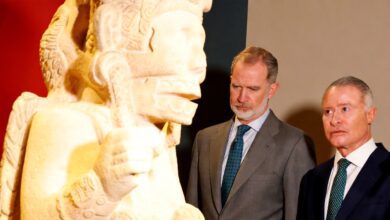
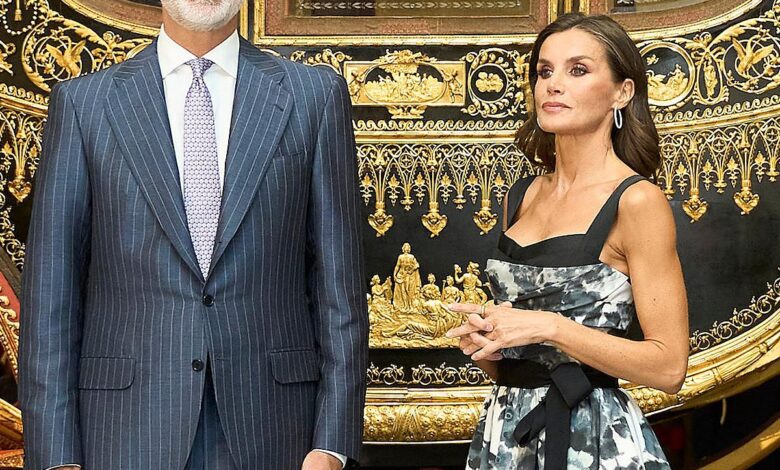
King Felipe VI and Queen Letizia attended the exhibition’s opening. Visitors can view around 350 artifacts, including personal documents, books, jewelry, and photographs. The primary goal of the organizers is to offer a fresh perspective on a figure largely unknown to the general public. Victoria Eugenia was not only devoted to her official duties as the monarch’s wife, but she also played an active role in humanitarian work, bringing a modern and innovative approach to the field.
The Gallery of Royal Collections itself, which opened in 2023, is part of the National Heritage and showcases the rich historical and artistic legacy of the Spanish crown. The halls now host an exhibition about the British-born queen who sought to modernize the Spanish court, but according to contemporaries, never truly felt fully accepted by her new countrymen.
Among the many unique items on display, one stands out above the rest: the ‘Fleur-de-Lis’ tiara, personally loaned by Queen Letizia. This is the most valuable piece in her royal jewelry box, a gift from her husband following his coronation. The public has not seen this jewel since 2009, making its appearance at the exhibition a true highlight. Equally fascinating is the royal carriage in which Alfonso XIII and Victoria Eugenia rode after their wedding on May 31, 1906. On that day, anarchist Mateo Morral threw a bomb hidden in a bouquet of flowers at the carriage. The attack claimed the lives of twenty-three people and injured about a hundred, but the newlyweds miraculously escaped unharmed.
In addition to the exhibition, the museum will host a conference on December 9 dedicated to Queen Victoria Eugenia’s role in modernizing the monarchy. Experts will discuss her British roots, dynastic mission, and most significant legacy—her tireless work with charitable organizations and dedication to the Spanish Red Cross.
Among the photographs and official portraits, the queen’s private correspondence holds a special place, revealing an unexpectedly intimate side of her character. Visitors will be able to see touching letters exchanged with her fiancé, Alfonso XIII, as well as a message from her uncle, King Edward VII of England. In it, shortly before the wedding, he asked his niece whether she regretted her decision to give up the Anglican faith.
“Victoria Eugenia was often portrayed as cold and distant, but in reality, she was passionate and spontaneous. Her letters to Alfonso during their engagement reveal a sincere desire to be together. They corresponded in French, but the king began learning English so he could speak to her in her native language,” the exhibition’s curator notes. Like the television series, the exhibition seeks to reassess the contributions of the queen consort, who faced her husband’s infidelity, ridicule, and rejection at court. She was criticized for everything—from smoking to swimming in the sea. She was completely alone in a foreign country, whose traditions, like bullfighting, were unfamiliar to her.
Incidentally, Victoria Eugenia Julia Ena von Battenberg was born at Balmoral Castle in Scotland and was the granddaughter of Britain’s Queen Victoria. After marrying King Alfonso XIII of Spain, she became a carrier of the hemophilia gene, which she passed on to her sons, casting a shadow over her marriage and relationship with her husband. Following the proclamation of the Second Spanish Republic in 1931, the royal family was forced to leave the country. Victoria Eugenia spent most of her exile in Switzerland, where she died in 1969. Her remains were transferred to Spain and buried in the royal pantheon at El Escorial only in 1985.