In Spain, a renewed debate has erupted over how to address the painful chapters of its history. The cancellation of a forum in Seville dedicated to the Civil War has sparked a wider discussion about the limits of what is acceptable in public discourse. For many Spaniards, this incident is more than just another scandal; it highlights the pressing question of historical memory and raises the issue of who has the right to shape the narrative in such debates.
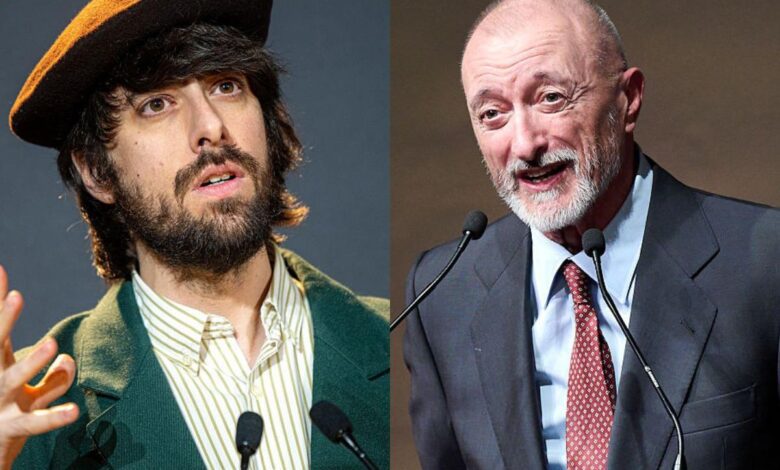
Writer David Uclés, author of the book “La península de las casas vacías,” openly welcomed the cancellation of the event, which was to be held under the title “1936: La guerra que todos perdimos.” His reaction was particularly notable given that renowned figures such as Arturo Pérez-Reverte and Jesús Vigorra were among the organizers. Uclés had previously declined to participate, citing disagreement with both the format and the list of invited speakers.
Sources of conflict
The key point of contention was the inclusion of politicians like José María Aznar and Iván Espinosa de los Monteros in the list of participants. According to Uclés, their presence could distort historical facts and serve as an attempt to ‘whitewash’ certain political regimes. In his video statement, he suggested the forum should have been titled ‘the war everyone endured,’ emphasizing that suffering touched everyone, not just the losers.
The writer’s reaction was not limited to refusing to participate. After the official announcement of the forum’s cancellation, he posted a video on social media where, despite not drinking alcohol, he raised a glass of wine as a symbolic gesture of moral victory. According to him, this was a “reparation” for previously being criticized by supporters of Pérez-Reverte and the organizer himself, who had called Ucles a “sectarian” and an “ignoramus.”
Public reaction
The controversy quickly spread beyond the literary community. Another participant, Antonio Maíllo, also joined Ucles’ decision, and behind the scenes, it was discussed that many invited guests began to withdraw after feeling “used” for someone else’s agenda. The writer claims that the organizers acted dishonestly and spread false information, which he believes undermines trust in such initiatives.
Particular attention was drawn to the episode when Pérez-Reverte publicly questioned the value of Ucles’ work, urging readers to reconsider their attitude toward his books. This attack sparked a wave of discussions on social media and led to new accusations against the forum’s organizers.
Personal experience and position
David Ucles recalled that over the past two years he has held more than 300 meetings across Spain dedicated to the topic of historical memory, and hosted a podcast featuring 50 intellectuals from different political backgrounds. He emphasizes that he is open to dialogue, but is not willing to discuss the past with those whom he believes seek to undermine social rights or justify war crimes.
In his statement, Ucles noted that his position is not motivated by personal animosity toward the organizers, but is instead driven by his principled disagreement with attempts to rewrite history. He emphasized that he is not afraid of open debates, but considers participation in events that, in his view, cross ethical boundaries to be unacceptable.
Implications for the cultural landscape
The cancellation of the forum in Seville has become a litmus test for Spanish society, revealing how sensitive attempts to reinterpret historical events are perceived. For many, this incident has prompted reflection on who should lead conversations about the past and where the line is drawn between freedom of speech and responsibility for historical truth.
Debate around the canceled forum continues, and David Ucles’s response has already become a topic of conversation not only among writers but also in broader circles. The question of how to talk about the Civil War remains unresolved, and Spain’s cultural scene is once again in the spotlight due to disagreements among its members.