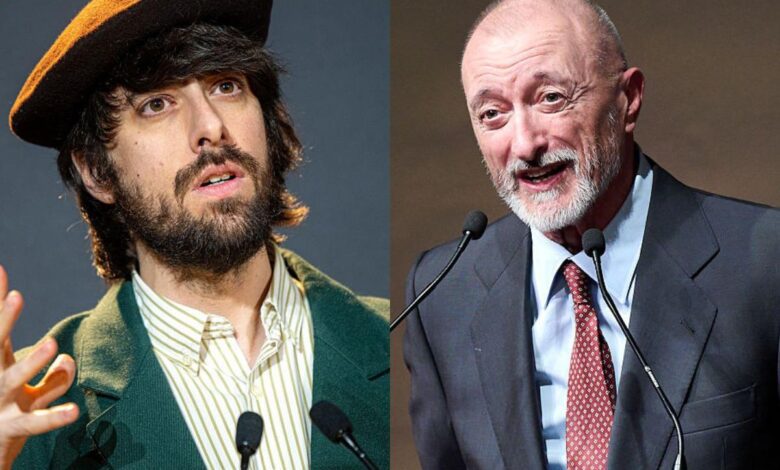
In Spain, a renewed debate has erupted over the boundaries of what is permissible in public discussions. This time, the controversy began after writer David Uclés declined to participate in the forum ‘1936: La guerra que todos perdimos’ in Seville. The event, dedicated to analyzing the consequences of the Civil War, was intended as a platform for dialogue between people of differing views. However, Uclés’ decision to withdraw from the event due to the presence of several politicians sparked a heated response and raised questions about the very possibility of open discussion on complex issues in contemporary Spain.
For many Spaniards, this incident became a litmus test: how possible is it today to have an honest conversation about the past if even invited participants refuse to engage in dialogue because they disagree with the roster of speakers? The question of who has the right to speak about the Civil War has once again moved to the forefront.
Reasons for refusal
David Uclés explained his decision by saying that he does not wish to share a stage with politicians whom he holds responsible for undermining democratic values and social achievements. Specifically, he referred to former Prime Minister José María Aznar and ex-Vox party leader Iván Espinosa de los Monteros. According to Uclés, Aznar is ‘one of those who has caused the greatest physical harm to the Spanish people,’ referring to Spain’s involvement in the Iraq military operation. As for Espinosa de los Monteros, the writer criticized him for creating a political force that contradicts his own convictions.
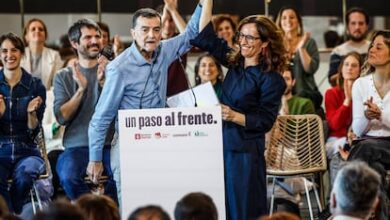
Antonio Maíllo, coordinator of the federal branch of Izquierda Unida, joined Ukles in his decision, also refusing to participate despite previously confirming his attendance. Both explained their withdrawal as a disagreement with the format and the line-up of forum participants.
Organizers’ Response
The event organizers, including prominent writer Arturo Pérez-Reverte and journalist Jesús Vigorra, did not hide their disappointment. They emphasized that the forum was intended as a space for open exchange of views, and called Ukles and Maíllo’s refusal to participate “unpardonable rudeness” and a sign of the very sectarianism this initiative aimed to combat.
Particularly upsetting for the organizers was that they learned of Ukles’ decision not directly, but from media reports. In their view, such behavior only worsens the climate of distrust and polarization that already surrounds the discussion of historical topics in Spain.
Expert Opinion
Constitutional law professor Joaquín Urías, a former member of the Constitutional Court, shared his perspective on the situation. According to him, the statement that “everyone lost the war” is not accurate. Urías believes that the real losers were those who fought for democracy, women’s rights, and freedom, while the winners were those who rejected these values and continue to wield influence today.
The expert pointed out that such conflicts surrounding public events reflect the deep divisions within Spanish society. According to Urias, refusing dialogue with opponents only strengthens the position of those who want to maintain the status quo and are not interested in reexamining the past.
Consequences for the discussion
The scandal around the forum in Seville has once again reminded everyone how painful the topic of the Civil War remains for Spaniards. The decision by prominent participants to refuse dialogue with political opponents sparked widespread debate and called into question the very idea of open public discussion.
Organizers insist on the need to discuss complex issues, even if it leads to conflict. However, the situation with Ucles and Mayo shows that not everyone is ready for this format. As a result, instead of dialogue, society once again faces mutual accusations and a lack of openness.
Looking to the future
The case of the forum “1936: La guerra que todos perdimos” once again demonstrated that the past still divides Spaniards. For some, the refusal to participate is a matter of principle; for others, it is a sign of intolerance. Either way, this episode gave rise to new debates about the boundaries of free speech and the responsibility of public figures.
While some demand greater respect for alternative viewpoints, others insist on the need to defend their values, even at the cost of refusing dialogue. As a result, the question of who should speak about the civil war and how remains unresolved—and, it seems, will continue to spark debate for a long time to come.