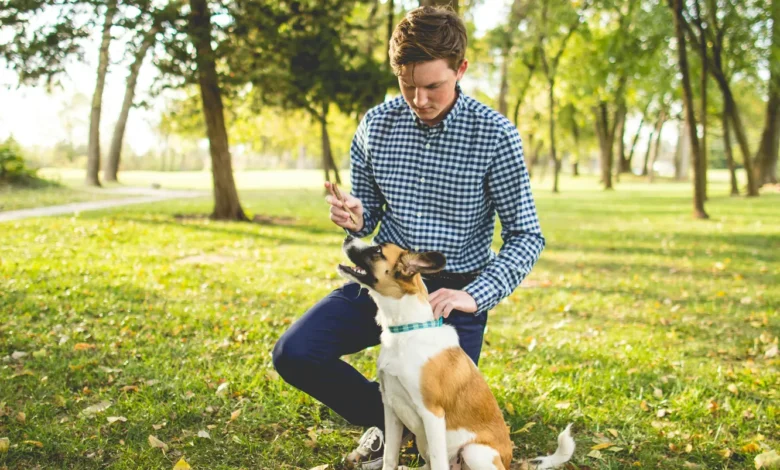
Training your dog to follow commands is not just a way to bond with your pet, but also a crucial step in shaping its character and behavior. Every owner dreams of having a four-legged friend who obeys instantly, but in reality, some tricks come easily while others require time and patience. It all depends on the individual traits of the dog—its age, temperament, and, of course, the owner’s approach.
Some commands can be quite a challenge for a puppy, while others are picked up in just a couple of days. It’s important to remember that successful training depends on many factors: motivation, consistency, the right rewards, and knowing when to take a break. In this article, we review the easiest and the most difficult commands, as well as offer tips on how to make the training process effective and enjoyable for both of you.
Challenging Tricks
There are commands that require not only your dog’s attention but also good coordination, flexibility, and even a certain amount of courage. For example, rolling over the back is no easy feat. The pet must not only understand what is being asked, but also overcome the fear of a new movement. The ‘play dead’ command is equally challenging: the dog must completely relax and remain still, which goes against its natural urge to be active.
Walking backwards is another example of a complex trick. For most dogs, moving in reverse feels unfamiliar, so teaching this skill requires patience and step-by-step reinforcement. Commands like “speak” and “quiet” aren’t always easy either: the pet needs to learn how to control its emotions and respond to the owner’s cues, and not every puppy can master this.
The “don’t pull” command can also be challenging, especially for energetic breeds who love to explore. Teaching a dog to walk at your side without tugging on the leash takes consistency and patience. The “fetch” command may seem simple at first, but for a dog to retrieve specific items by name, it must develop memory and object recognition skills.
Easy commands
Among the easiest commands, “sit” leads the way. Most dogs sit instinctively, so reinforcing this behavior on command is straightforward. The “leave it” command is also picked up quickly—it helps redirect your pet’s attention from unwanted items or situations. The key is to reward the dog promptly for the correct response.
“Give a paw” is a classic training command. It’s easy to demonstrate, and dogs quickly learn that it leads to treats or praise. The “come” command is based on a dog’s natural desire to be near its owner, so it’s usually mastered without much difficulty. “Lie down” is another command that dogs often enjoy performing, especially if training takes place in a calm environment.
Effective Training
To make training enjoyable and effective, it’s important to find the right motivation. For most dogs, tasty treats are the best reward, but praise, affection, or a favorite toy can also work well. It’s best to start sessions in a quiet place where your dog won’t be easily distracted.
Lengthy training sessions are not always effective: puppies tire quickly and lose interest. Ideally, train for 5–10 minutes several times a day. Rewards should be given immediately after the correct response, so the dog quickly understands why it’s being praised. Use clear cues: one gesture or word per command. Don’t repeat commands multiple times in a row, or the dog may stop responding.
End every session on a positive note. Even if things didn’t go perfectly, let your dog perform a familiar command, praise them, and then allow some playtime. This approach helps build a positive association with training and strengthens the bond between you.
Tips for Owners
Remember, every dog is unique. Some furry students pick things up instantly, while others need more time and patience. Don’t compare your pet to others—instead, celebrate their achievements and keep them interested in training. If something isn’t working, try a new approach: use different rewards, change the training location, or shorten the sessions.
Your mood also plays an important role. Dogs sense their owner’s emotions, so do your best to stay calm and friendly. Don’t scold your pet for mistakes—reward success instead. Soon, even the most challenging tricks will become second nature and a favorite activity for your dog.