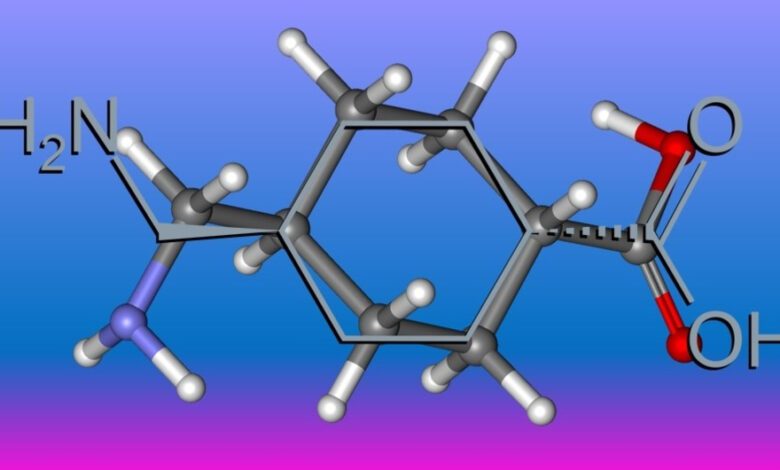
Spanish doctors have gained new evidence supporting the use of tranexamic acid in general surgery. A recent meta-analysis involving nearly seven thousand patients revealed that the drug can significantly reduce blood loss and lower the need for blood transfusions. Moreover, concerns about an increased risk of thromboembolic complications or mortality were not confirmed. For the country’s surgical community, these findings have prompted a reassessment of established approaches to bleeding prevention.
Tranexamic acid has long been known as an agent that prevents the breakdown of fibrin clots. It works by blocking the conversion of plasminogen to plasmin, thereby slowing fibrinolysis and enhancing hemostasis. In Spain, the medication is widely used in orthopedics and cardiac surgery, but its role in general surgery had remained a topic of debate. Many experts were concerned that increased coagulation could lead to thrombosis, especially in high-risk patients.
Meta-analysis results
A research team from the Universidade Federal de Minas Gerais analyzed data from 26 randomized clinical trials. In total, the analysis included 6,976 patients who had undergone various surgical procedures. The results showed that preventive administration of tranexamic acid reduces intraoperative blood loss and lowers the incidence of heavy bleeding. The effect was particularly pronounced in abdominal surgeries.
Interestingly, among the subgroup of patients who underwent hepatobiliary procedures, the drug proved most effective: the risk of severe bleeding dropped by nearly 40%. At the same time, the rate of blood transfusions remained the same regardless of the type of surgery. Notably, none of the study groups showed an increased risk of venous thromboembolism or mortality.
Safety and Risks
The safety of tranexamic acid has long been the subject of heated debate among Spanish doctors. Despite the theoretical risk of increased blood clotting, the meta-analysis did not find any statistically significant differences in the incidence of thrombosis between groups. There was also no increase in hospital stay duration. This suggests that the drug can be considered a reasonably safe tool for preventing bleeding in general surgery.
Nevertheless, the authors of the study emphasize that further research is needed to assess the risks for patients predisposed to thromboembolism. In Spain, where a large number of surgeries are performed annually, such data could form the basis for updating national clinical guidelines.
Impact on practice
The findings have already attracted the attention of Spanish surgeons. Several clinics in Madrid and Barcelona are considering expanding the use of tranexamic acid in planned surgeries. Some experts note that the drug could become a standard for bleeding prevention not only in orthopedics, but also in abdominal and hepatobiliary surgery.
At the same time, experts urge caution against the widespread implementation of the drug without considering patients’ individual characteristics. It is important to carefully assess the risks and monitor the blood coagulation system. New studies expected in the coming years should help clarify the optimal protocols for tranexamic acid use in various surgical situations.
Prospects in obstetrics
The use of tranexamic acid in obstetrics deserves special attention. In Spain, as in the rest of the world, postpartum hemorrhage remains one of the leading causes of maternal mortality. Several studies have already shown that the drug is effective in stopping bleeding after childbirth. However, a large-scale meta-analysis on this subject has not yet been conducted. Experts believe that new data may soon emerge, which could lead to a revision of approaches to the prevention and treatment of obstetric hemorrhage.
Spanish obstetricians and gynecologists closely follow international research and are ready to introduce modern methods into clinical practice. Should the effectiveness and safety of tranexamic acid in obstetrics be confirmed, it may become an important tool for saving women’s lives.
On a related note, Lucas Monteiro Delgado, who leads the research group, is regarded as one of the top clinical pharmacology experts in Latin America. His work has been cited in leading medical journals numerous times. In Spain, tranexamic acid is registered and is widely used in both public and private clinics. The medication is included in the list of essential medicines and is available by prescription. RUSSPAIN.COM reminds readers that any decisions about medication use should only be made after consulting a physician.