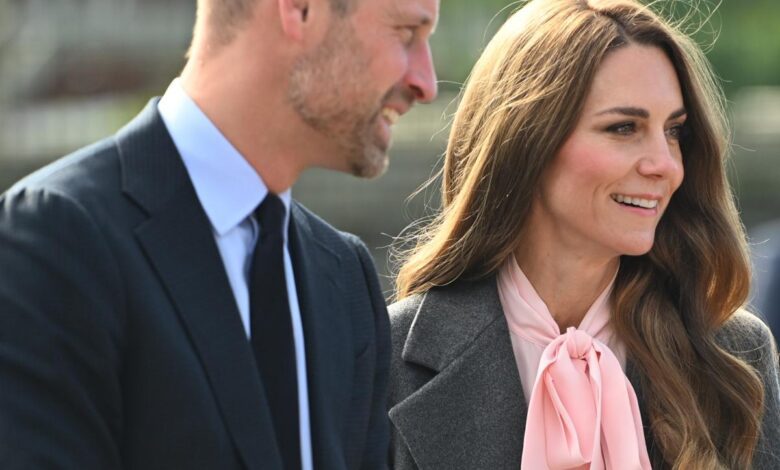
The setup of the new residence for the Prince and Princess of Wales in Windsor has become a real point of contention for the local community. The move of William, Kate, and their three children—George, Charlotte, and Louis—into the quiet Forest Lodge estate has sparked outrage among those who long considered Windsor Park their second home. The idyllic atmosphere of the historic park is now under threat due to unprecedented security measures taken to ensure the royal family’s privacy.
Forest Lodge itself is a luxurious Georgian-style mansion built in the 1770s, valued at 19 million euros. The estate features eight bedrooms, a swimming pool, its own vegetable garden, and tennis courts. Nestled in a vast royal park spanning 2,000 hectares, it offers seclusion while being ideally located near Lambrook School, where the royal heirs study. The last royal family member to live here was King Edward VIII, shortly before his abdication.
The main point of friction has been the organization of a security perimeter around the mansion. This entails the creation of an exclusion zone that stretches nearly four kilometers. Public land once open to all is now being actively fenced off. Workers are putting up barriers, digging trenches, and planting dense hedges. Surveillance cameras are being installed everywhere. As a result, familiar spots for local residents, such as the Cranbourne Gate and its adjacent parking lot, have been closed to visitors since late September.
For many locals who had enjoyed leisurely walks in the park for decades, these new regulations came as a real shock. Dog owners, in particular, felt the change most acutely, as they lost the ability to let their pets off-leash in the vast green spaces. In private conversations and on local forums, accusations of selfishness have surfaced, with many arguing that public space is effectively being privatized for the comfort of just one, albeit very famous, family. Furthermore, two families whose homes were directly adjacent to Forest Lodge were forced to move, although they were offered alternative accommodation.
Prince William, for his part, has repeatedly made it clear that protecting his family’s privacy is an absolute priority. He seeks to shield his children from the intrusive media attention that marked his own childhood. According to him, the heirs still do not have mobile phones in order to minimize their exposure to the outside world and media pressure. In this context, the tightened security measures seem a logical step aimed at creating the most normal and protected environment possible for the growing princes and princess.
The situation is complicated by the legal status of the land. Both the park and the mansion itself are property of the Crown Estate, with its revenues going to the state treasury. Formally, these lands belong to all citizens of the country. This fact adds weight to the arguments of those who consider the access restrictions unfair. While some understand the need for security measures for the future monarch, others continue to assert their right to enjoy public assets. Debates in Windsor persist, and so far, finding a compromise that would satisfy everyone remains elusive.