Artificial Intelligence and the Challenges of the Digital Age
Modern mobile devices are increasingly using intelligent algorithms to analyze habits, automate tasks, and personalize services. However, as AI capabilities expand, concerns about privacy are also growing. The spotlight is not only on convenience and functionality, but also on protecting personal data that is processed on smartphones every day.
Private AI Compute: a new architecture for on-device processing
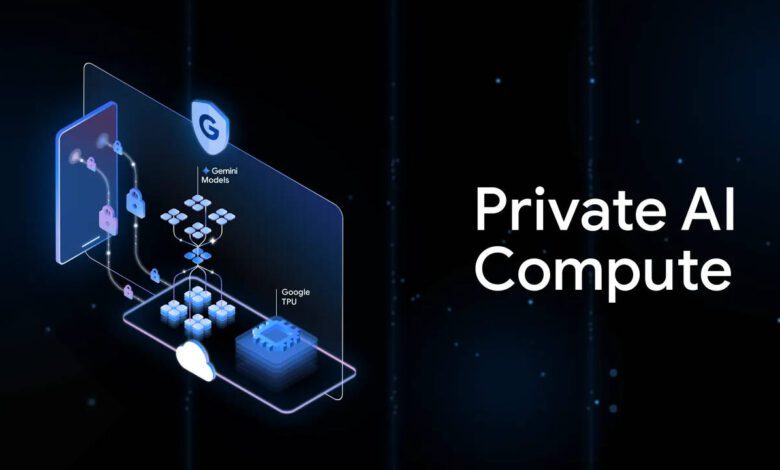
Google has introduced Private AI Compute, a technology that transforms how personal data is handled on Pixel devices. Unlike traditional approaches where most computing takes place on remote servers, this new system allows complex tasks to be performed directly on the smartphone. This includes, for example, context recognition, creating quick notes, or generating personalized suggestions. Such an approach minimizes data transmission to external clouds and reduces the risk of unauthorized access.
Secure Environment and Data Isolation
At the core of Private AI Compute is a secure execution environment built using technologies similar to Titanium Intelligence Enclaves. These solutions provide complete isolation of computing processes from the operating system and third-party apps. All data is encrypted both in transit and at rest, with dedicated verification mechanisms ensuring that even Google engineers cannot access the content. This level of protection gives users confidence that their personal information remains safe.
Model Optimization and Autonomy
To ensure seamless performance on mobile devices, Google has introduced lightweight versions of its models, such as Gemini Nano. These can handle a wide range of tasks without needing a constant internet connection or external resources. As a result, your smartphone becomes a fully independent tool for data processing, without exposing user information to third-party services.
Transparency and User Control
The company puts special emphasis on transparency with its new solutions. Users are provided with detailed instructions on how to use Private AI Compute, along with the ability to independently audit the system’s operations. Every Pixel owner can choose which features to enable and what data to allow for processing. This approach builds trust and gives users control over their device’s privacy level.
Trends and Future Prospects
The shift to local information processing reflects a growing demand for ethical and secure technologies. While cloud services remain the standard for artificial intelligence, Google’s initiative could set an example for other manufacturers. The new architecture not only enhances security but also supports the development of more resilient and user-centered solutions.
Trust issues and the future of artificial intelligence
The main goal of modern technology is not just to assist in everyday life, but also to provide the highest level of personal data protection. Private AI Compute shows that it is possible to create intelligent systems without crossing the boundaries of privacy. Only time will tell how effective and reliable these solutions are, but it is already clear that this is an important step towards balancing innovation and privacy.