The Graphics Card Market on the Brink of Change
In 2025, the graphics accelerator market faces a new round of price increases. Manufacturers have already warned that devices based on the latest chip generations will soon become more expensive. The reason is a shortage of modern memory chips, which will affect both AMD and NVIDIA products. The price hike is expected to impact not only high-end models but also more affordable options.
Component suppliers note that demand for GDDR6 and GDDR7 memory far outstrips supply. This is driving up the production costs of graphics cards. Companies producing accelerators are forced to adjust prices for their partners, who, in turn, pass on the extra costs to retail consumers.
Memory shortage and its consequences
Experts point out that the main factor behind rising prices is the limited availability of memory chips. The issue is especially acute in the GDDR7 segment, which is used in the latest models. Manufacturers are unable to ramp up production quickly enough, while demand from the industry keeps growing. As a result, even small batches of new graphics cards are entering the market at inflated prices.
A similar situation occurred back in 2017, when the cost of video memory jumped by almost a third. This led to a noticeable price increase across the entire lineup of graphics accelerators. Now, experts predict a similar scenario, but factoring in current conditions and even higher demand from both gamers and professionals.
Which models will see the biggest price hikes
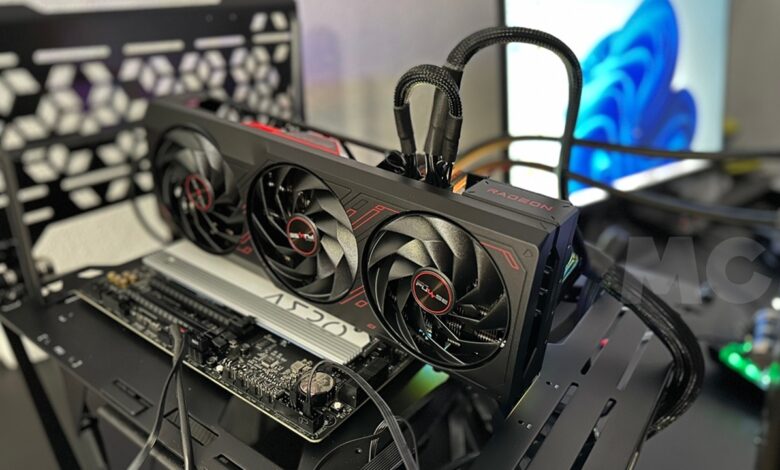
The largest price increases will affect devices featuring higher memory capacities and the latest technologies. For instance, top-tier graphics cards like the GeForce RTX 5090 with 32 GB of GDDR7 will rank among the most expensive. Mid-range models, such as the GeForce RTX 5060 or Radeon RX 9060 XT with 8 GB of memory, won’t see such dramatic price jumps since they use fewer chips and more affordable components.
At the same time, devices with 16 GB or more—such as higher-spec versions of the GeForce RTX 5060 Ti or Radeon RX 9060 XT—will also feel the impact of the shortage. Manufacturers are unlikely to absorb these increased costs, making a final price hike for consumers almost inevitable.
When to expect the price hikes, and what buyers should do
The exact timing for these price increases hasn’t been announced yet, but market insiders are confident it will happen immediately after the discount season ends. Some companies have already notified their partners about the upcoming changes, while others are preparing to do so in the coming weeks. The new price lists are expected to take effect before the end of the year.
Shoppers planning to upgrade their computers are advised not to postpone their purchase. This is especially true for those hoping to buy a graphics card at the old price. Once sales end, prices for these devices may increase by 10–30%, depending on the model and memory capacity.
In case you didn’t know: What the name NVIDIA stands for
NVIDIA is one of the world’s largest producers of graphics processors and related technologies. Founded in California in 1993, the company has since held a leading position in the graphics card market for personal computers, workstations, and servers. The brand’s products are widely used not only in gaming, but also in professional fields—from scientific computing to artificial intelligence and machine learning.
In recent years, NVIDIA has been actively developing areas related to cloud computing and autonomous transportation systems. Its solutions are used in supercomputers, data centers, and even the automotive industry. The company is recognized for its innovative technologies, such as CUDA and RTX architectures, which have set new standards in graphics processing and computational acceleration.
In 2025, NVIDIA continues to expand its product lineup, implementing advanced technologies and collaborating with leading component manufacturers. Despite challenges with memory supply, the brand remains one of the most recognizable and sought-after in the high-performance computing market.