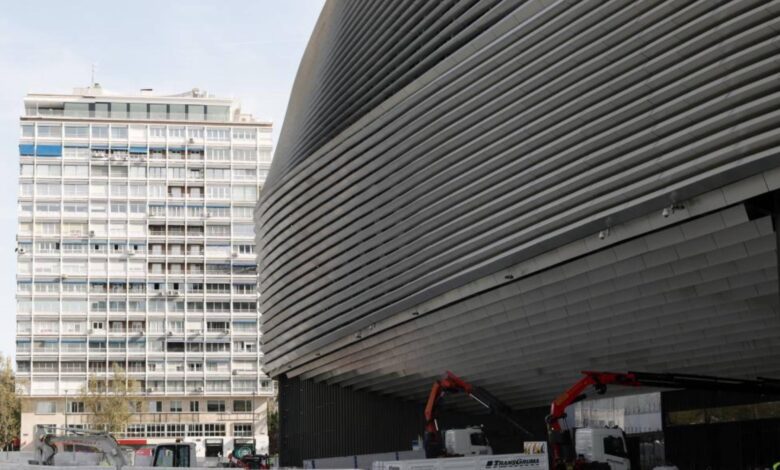
In Madrid, the standoff continues between residents of the neighborhood where Santiago Bernabéu Stadium is located and the proponents of constructing two new parking complexes. The project, proposed by Real Madrid football club and supported by city authorities, has once again faced legal obstacles.
Previously, a lower court had already ruled in favor of local residents who opposed the construction of parking facilities on Paseo de la Castellana and Padre Damián street. The city administration attempted to challenge this decision, but now Madrid’s High Court has upheld the residents’ position, citing the project’s inconsistency with the interests of the city and existing urban planning regulations.
The judges concluded that the city authorities failed to convincingly justify the public significance of building new parking areas and their compliance with the approved development plan for the area. One of the parking complexes was intended to have direct access to the stadium infrastructure, which, according to the proponents, would have allowed the venue to host not only football matches but also large concerts and other events.
The residents’ association opposing the project has achieved another victory in the prolonged dispute. However, the court ruling allows for further appeals to the Supreme Court of Spain, leaving the issue unresolved.
For Real Madrid, this project is of strategic importance: the club is counting on the development of multipurpose use of the stadium, which requires appropriate transport infrastructure. At the same time, local residents are concerned about increased traffic and a negative impact on quality of life.
Meanwhile, legal proceedings are ongoing regarding other aspects of the stadium’s operation, particularly over exceeding permissible noise levels during major events. The issue of building parking facilities remains the subject of heated debate between the club, the municipality, and the residents.