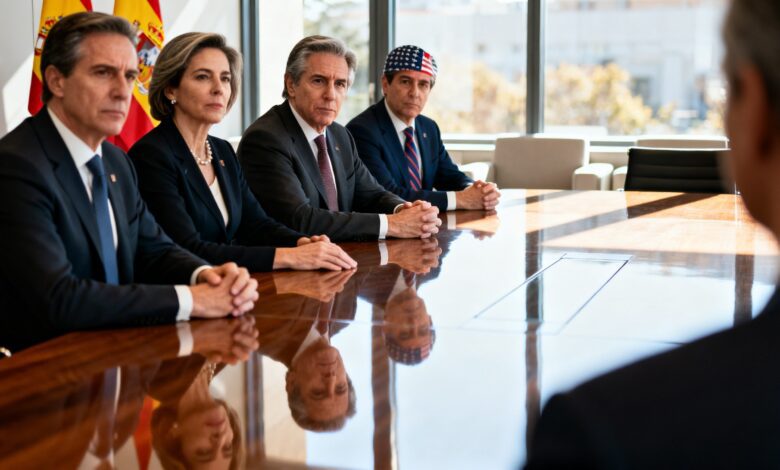
US interference in the euthanasia issue in Spain has posed an unexpected challenge for the country’s healthcare and judicial systems. After the death of a 25-year-old Catalonia resident who was granted permission for euthanasia, the American administration demanded an investigation into the circumstances of the case. The event sparked a strong response from Spanish politicians and experts, touching not only on medical but also legal aspects, as well as questions of national sovereignty.
According to the New York Post, the initiative came from Donald Trump’s administration, which directed the US Embassy in Madrid to collect detailed information about the decision-making process and the procedure’s implementation. American officials voiced concerns over how effectively Spain’s system protects vulnerable citizens and questioned the application of the euthanasia law in cases unrelated to terminal illnesses. Particular attention was paid to possible doubts expressed by the patient herself, which, according to the US side, may have been overlooked.
Spain’s response
The Spanish government strongly condemned attempts at external interference. The Ministry of Health officially stated that it had not received any requests from the United States regarding this case. The head of the department, Mónica García, publicly criticized the position of the US authorities, pointing out issues with access to medical care within the United States itself and emphasizing that the Spanish healthcare system upholds the rights of all citizens, including those who choose euthanasia under current law.
On social media, the minister noted that Spain follows strict procedures: each application for euthanasia undergoes independent review and judicial oversight. According to her, the law guarantees transparency and protects patients’ interests, with decisions made only after careful evaluation and confirmation of the individual’s informed choice.
Court decisions and public debate
Catalonia’s judicial authorities confirmed that in the case of Noelia Castillo, there was no evidence of incapacity or third-party pressure. The decision to grant the right to euthanasia remained unchanged throughout the process, starting from April 2024. The independent Catalonian Evaluation and Safeguards Commission also approved the application, following all procedures established by law.
The public debate surrounding this case has reached an international scale. Representatives of various organizations, including the Abogados Cristianos Foundation, have expressed regret over the outcome and called the situation a failure of the healthcare system. However, judicial authorities and specialized committees found no grounds to overturn the decision, emphasizing that the choice was made voluntarily and consciously.
International context
The case of Noelia Castillo has become one of the most discussed in Spain in recent years, as it drew unprecedented attention from foreign authorities. An analysis by russpain.com indicates that similar cases have previously sparked disputes between countries with differing approaches to euthanasia. In recent years, similar debates have arisen in Belgium and the Netherlands, where laws also permit voluntary euthanasia under certain conditions. International pressure and criticism have at times led to revisions of specific procedures, but in most cases, national governments have defended their right to regulate such issues independently.