In recent years, Spaniards have increasingly turned to emergency departments. Over the past twelve years, the number of visits to emergency services has grown by nearly a fifth. The reason is simple: getting an appointment with a general practitioner is becoming more and more difficult. More than 20% of residents who needed a consultation couldn’t book a visit with their GP. Those who managed to get an appointment waited, on average, more than a week.
As a result, when obtaining medical care at local clinics is not possible, people go to hospitals. Even if their condition isn’t critical, many prefer not to take chances and head straight to emergency departments. Just last year, Spanish hospitals recorded nearly 25 million emergency visits. This level of demand regularly overwhelms the system, especially during seasonal spikes in illness.
Rising Pressure
The situation with lines and wait times in emergency departments is becoming increasingly tense. In winter months, when cases of colds and flu surge, and in summer, due to heat and injuries, hospitals face an influx of patients. This seriously impacts the speed and quality of care. Effective organization and proper patient flow management are becoming crucial for maintaining the system’s efficiency.
In such circumstances, not only patient caution is crucial, but also the professionalism of medical institutions. Some hospitals have managed to organize their operations so efficiently that even under heavy workloads they continue to provide fast, high-quality care. These centers have attracted the attention of experts, who analyzed the performance of more than 700 Spanish hospitals across various medical specialties.
Top Three
The ranking of the best emergency departments is led by three Madrid hospitals. The first is Hospital Universitario 12 de Octubre, one of the busiest departments in the country, treating over 400,000 patients a year. The hospital has separate areas for adults, children, and pregnant women, as well as specialized units for critical cases and rapid diagnostics. With more than 300 staff members ensuring smooth operations and well-structured organization, the hospital is able to respond swiftly to any situation—from minor ailments to complex emergencies.
Second place goes to Hospital Universitario Fundación Jiménez Díaz. This private clinic operates under a public contract and treats over 250,000 patients annually. The hospital has implemented modern patient flow management methods, significantly reducing wait times. Special emphasis is placed on patient safety and comfort: a dedicated observation area enables doctors to make quick decisions and minimize risks.
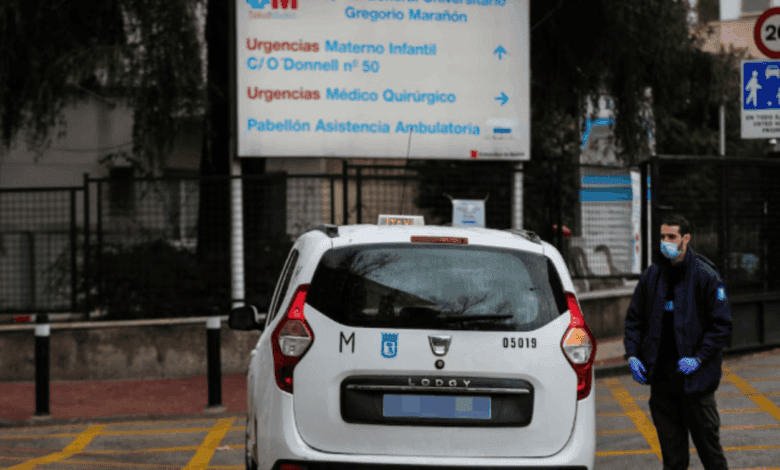
Hospital Universitario Gregorio Marañón ranks third on the list. This facility is renowned for its multidisciplinary approach—its emergency department employs more than 250 specialists across various fields. A major renovation is currently underway, with €400 million allocated for upgrading and expanding the emergency facilities. Once the work is complete, the hospital will be able to receive even more patients, and conditions for them will significantly improve. In addition, the hospital is actively involved in training young doctors and implementing innovative projects to introduce new technologies in emergency medicine.
Challenges and Solutions
The constant increase in the number of emergency department visits requires medical institutions to be flexible and innovative. Doctors and administrators are searching for new ways to optimize workflows so patients can receive care as quickly as possible. The implementation of digital systems, expanding staff, and modernizing facilities are all becoming part of the daily routine in leading hospitals.
However, even the most advanced technologies cannot fully solve the problem unless the healthcare system as a whole is coordinated. Reducing wait times at clinics, improving access to family physicians, and educating the public on proper use of emergency services are the main challenges Spain’s healthcare sector faces in the coming years.
Hospital Universitario 12 de Octubre is one of the largest public hospitals in Madrid, opened in 1973. Fundación Jiménez Díaz is a private clinic with almost a century of history, renowned for its innovations and public partnerships. Hospital Gregorio Marañón is one of the oldest medical centers in the capital, actively involved in scientific research and training specialists. All three institutions regularly appear in national and international rankings of the best hospitals in Europe.