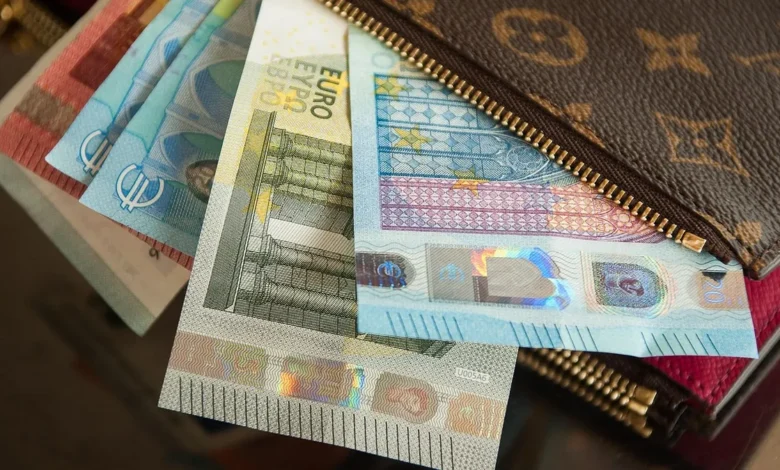
For many families in Spain, January is a month to rethink their financial habits. After generous spending on gifts, festive meals, and entertainment in December, wallets tend to empty quickly. This is a crucial time to pinpoint where your money is going and learn to control even the smallest expenses. These minor outlays often add up and can leave your budget depleted by month’s end.
In daily life, we encounter three types of expenses that quietly undermine our financial stability: so-called ‘ant’, ‘phantom’, and ‘vampire’ expenditures. Each poses its own risks, but together they can turn January into a real economic challenge. Let’s look at how to identify and curb them.
Ant expenses
It may seem harmless to grab a coffee on the way to work or a pack of gum at the checkout. But adding up these small purchases over a month can surprise even the most frugal savers. Ant expenses are those little, non-essential items we don’t plan for but buy regularly. They don’t seem significant—until you see the final total.
To keep them under control, make it a habit to record every minor expense. Even if it seems insignificant, write it down. After a couple of weeks, you’ll see where a significant part of your budget goes. Set a limit for such spending—say, 50 or 100 euros per month. Once you reach the limit, stop. This approach will help you not only save money, but also make more mindful purchasing decisions.
Phantom expenses
The second category is regular payments we often forget about. Subscriptions to online streaming services, magazine subscriptions, gym memberships you rarely use—all these are phantom expenses. They are debited from your card every month but offer little real benefit.
To get rid of them, carefully review your account statements for the past few months. Mark all recurring charges and ask yourself: do you actually use these services? If not, cancel them without hesitation. Sometimes just this one step can free up several dozen euros each month. Don’t forget to review your subscriptions at least every six months.
Energy-draining expenses
The most insidious are energy-draining expenses. They are related to utilities, electricity, and appliances. For example, you might pay for an electricity plan that’s too powerful for your needs or leave chargers plugged in when not in use. These details can significantly increase your electricity and water bills.
There are various ways to save on utilities. Turn off electrical appliances when they’re not in use, choose energy-saving bulbs, and opt for home appliances with a high energy efficiency rating. Check if you’re overpaying for mobile services or internet—there may be better plans available. Even small changes in your daily habits can help reduce your monthly expenses.
Budget Planning
Taking control of your spending starts with effective planning. Make a list of all mandatory payments and set aside a separate amount for unexpected expenses. Don’t forget about seasonal costs—like preparing for school or vacations. The more detailed your budget is, the easier it will be to avoid unpleasant surprises.
Use mobile apps to track your finances or keep a manual spreadsheet. The main thing is to have a clear picture of your income and expenses. This will help you spot savings opportunities in time and prevent overspending.
The Psychology of Consumption
We often shop under the influence of emotions or advertising. It’s important to learn to distinguish genuine needs from imposed desires. Before spending money, ask yourself: do I really need this item? This approach helps avoid impulsive purchases and keep your budget balanced.
You don’t have to deny yourself everything—using a sensible approach to spending will help you feel more confident, even during the most challenging months. January is an excellent time to review your financial habits and start the new year with a clean slate.
RUSSPAIN reminds you that many banks and financial institutions in Spain offer free tools for tracking expenses and creating budgets. Take advantage of them to get through January debt-free and to master managing your money all year round. Financial literacy is the key to peace of mind and confidence in the future.