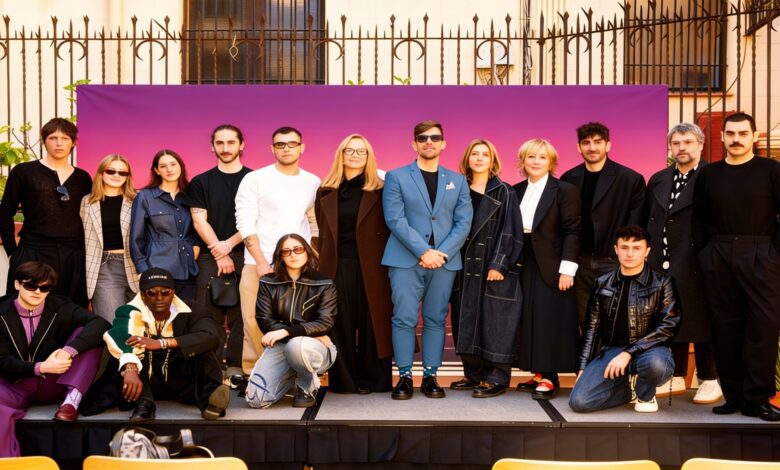
080 Barcelona Fashion 2026 becomes a landmark event for Spain’s entire fashion industry. For the first time in its history, the fashion week moves beyond its traditional format and relocates to Barcelona’s coastline, instantly reshaping the event’s image and its impact on the city. The decision to change venues and increase the budget to 2.8 million euros highlights fashion’s growing role in the regional economy and the authorities’ ambition to make Barcelona a center for European trends.
As El Pais notes, this year city authorities are actively involved in organizing the event for the first time, providing not only funding but also a unique venue at Port Vell. Half a million euros from the city budget and support with infrastructure allow organizers to set up a new large-scale site right on Rambla del Rompeolas, opposite the iconic W Hotel. This move opens up fresh opportunities for brands and designers while boosting Barcelona’s appeal to tourists in April.
A new venue and participants
The lineup features 26 brands and designers, with Adolfo Domínguez, SKFK, Bolaño, Custo and Txell Miras representing the local scene, while Luar, David Catalán and Nazzal Studio bring international flair. There’s a special spotlight on new names: Luar, the label from Dominican-born Raul Lopez, gained global media attention after Lady Gaga sported one of his outfits at the Super Bowl. Nazzal Studio, founded by Palestinian Silvia Nazzal, blends fashion and art, while Rioja-native David Catalán, now established in Portugal, previously participated in Moda Lisboa.
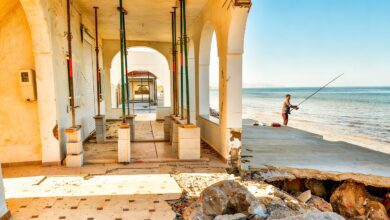
The main venue is a rectangular covered structure 50 meters long, providing shelter from bad weather while side openings allow the seascape to be part of the atmosphere. Edificio Mirador will feature photo zones and additional spaces for guests. There will also be a free public area with registration on the event website, making the occasion as accessible as possible.
City and fashion: a new strategy
Organizers emphasize that city support has become a strategic step for the entire industry. According to representatives of Consorcio de Comercio, Artesanía y Moda, uniting the efforts of the municipality and Generalitat marks a new stage for Catalan fashion and a point of national pride. Barcelona authorities are confident that such alliances make the sector clearer and more attractive to investors and young designers.
Moving to Port Vell is not only an experiment, but also a bet on the long term. Organizers are already considering establishing the new location for several years and using other parts of the port for future events. Unlike the previous venue — Modernista Sant Pau — Port Vell is farther from the city center, but it is easily accessible by public transport and even by the recently launched water bus connecting Drassanes and Llevant.
Expanding the program and new formats
As part of the OFF program, Barcelona will host the European International Days of Author Fashion for the first time. On April 13 and 14, renovated Tinglados will bring together professionals, institutions, and creators to discuss the challenges and prospects facing the industry. The event is organized by the Asociación de Creadores de Moda de España and the Fundación Academia de la Moda Española. Among the invited speakers is journalist and author Dana Thomas, known for her analytical work on the fashion industry.
Additional initiatives include the digital showroom Fashion Connect, which links brands with international buyers and agents, as well as the presentation of an analytical report on the state of Catalonia’s fashion and leather sector, prepared by MODACC and Barcelona Leather Cluster. These formats highlight that fashion week is evolving into not only a showcase for collections, but also a platform for professional dialogue and knowledge exchange.
Context and perspectives
In recent years, Barcelona has strengthened its position on the European fashion map, offering new formats and venues for creative industries. The relocation of major events to the coast has become a notable trend: similar choices have been made in other Spanish cities, where cultural events move beyond traditional halls and integrate with the urban environment. According to russpain.com, these changes are driving increased interest in local brands and attracting international investors.
Experts are already discussing how new strategies are affecting urban life and the economy. For instance, recent changes in Spain’s military strategy, related to missions in Lebanon and Iraq, have also sparked widespread debate and were thoroughly examined in a report on new decisions and troop movements, available at the link details about the movements of Spanish troops and changes in strategy. Such developments show how decisions at the city or national level can alter everyday life and open up new opportunities for growth.
In recent years, Spain has seen an increase in major cultural and business events that are driving tourism and the urban economy. The emergence of new venues and event formats, as seen with 080 Barcelona Fashion, reflects cities’ aspirations for innovation and their search for growth points. Similar initiatives have already taken place in Madrid and Valencia, where festivals and exhibitions expanded beyond traditional venues, attracting not only local residents but also an international audience.