The scandal surrounding the AVE Madrid–Seville line has affected thousands of Spaniards, as it concerns the safety and trust in infrastructure they have relied on for decades. After the tragedy in Adamuz, where dozens lost their lives, it became clear that the promised modernization was incomplete, and the fate of millions in European funding is raising more and more questions. For a country where railways are a part of daily life, such events cause alarm and breed distrust.
In 2023, European officials officially acknowledged that the AVE line between Madrid and Seville was outdated and did not meet modern standards. More than 111 million euros were allocated for its renovation. The project included replacing the rails, strengthening bridges, updating buildings, and installing new fencing. However, after the work was completed, it turned out that not all obligations had been fulfilled. The issue of replacing old reinforced concrete sleepers on the section where the disaster occurred proved especially problematic.
Funding and oversight
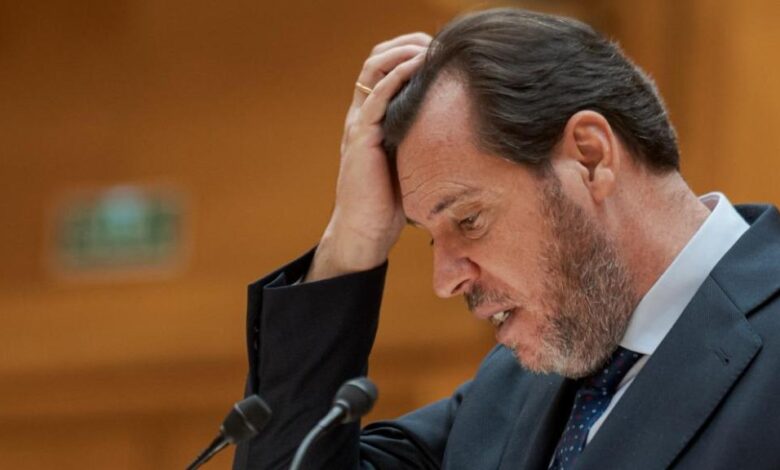
In June 2024, the European Commission approved a major subsidy from the FEDER fund to bring the line in line with European standards. On paper, everything looked impeccable: the modernization was supposed to enhance safety and extend the lifespan of the railway. The Minister of Transport (Óscar Puente) reported the “complete reconstruction” was finished. But in reality, some of the work existed only in documentation. After the tragedy, government officials admitted that sleepers on the accident section had not been replaced, even though this was a key point of the project.
Questions about the spending arose immediately. Three European Parliament deputies from Partido Popular sent an official request to Brussels, demanding an explanation of exactly how the funds were used. They are interested not only in the financial reporting, but also in any possible corruption schemes that contractors might have been involved in. Their statement emphasizes that if EU-funded infrastructure fails to meet standards and leads to tragedies, responsibility must be personal.
Reaction and consequences
The scandal has taken on a political dimension. Partido Popular is insisting on an independent audit and full oversight at every stage of the project. They are demanding not only reports from the European Commission, but also guarantees of transparency. The questions being raised are sharp: why were key elements of the project left incomplete, and who should be held accountable? Not only officials, but also the companies involved in the modernization are in the spotlight.
Brussels is also openly expressing concern. For two years, European bodies have been monitoring the line, regarding it as one of the most problematic in Spain. The decision to allocate funds was made amid official conclusions about the urgent need for renovation. Now, the European Commission is having to explain how such a situation could have occurred, and why oversight was insufficient.
Line history
The Madrid-Seville railway line, inaugurated in 1992, became a symbol of the country’s technological progress. It connected the capital with the south, providing speeds of up to 300 km/h and setting a benchmark for future projects. However, over the past three decades, technology has advanced significantly, and the line has gradually lost its competitiveness. European experts have repeatedly pointed out the need for modernization to meet new safety and efficiency standards.
Attention is now focused on how European investments have actually been implemented. Questions about transparency and monitoring of expenditures are becoming increasingly urgent. For Spain, this is not only a matter of reputation, but also of public trust in government projects.
In recent years, Spain has already faced high-profile investigations involving infrastructure projects and the use of European funds. For example, in 2022, violations during the construction of high-speed lines in Valencia and Galicia were discussed, raising concerns about work quality and tender transparency. Such cases are pushing for tighter oversight and demand new approaches to managing large-scale projects. When every mistake can cost lives, attention to detail and accountability becomes a key factor for the entire country.