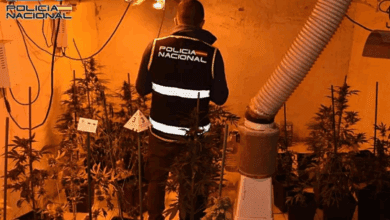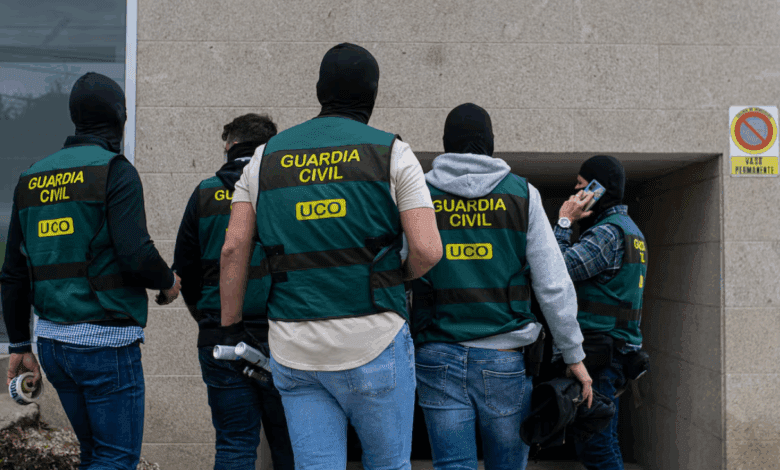
In recent months, police officers have carried out a series of raids throughout Madrid and its surrounding areas. As a result of these actions, 20 apartments and houses where illegal substances were being sold were discovered and shut down. The locations identified spanned both central districts of the capital and suburbs bordering other autonomous regions. Notably, drug dens were found not only in disadvantaged neighborhoods, but also in prestigious residential areas, highlighting the scale and complexity of the criminal network.
During the operation, 42 people involved in organizing and running these sites were arrested. Among them were both direct sellers and individuals responsible for logistics and security within the drug business. According to police, 113 such establishments have already been dismantled in the region this year, and the total number of people detained in connection with drug trafficking has exceeded 270.
Scope of the operation
The scale of the operation became apparent after a map showing the addresses of some of the dismantled drug dens was published. It marked both elite neighborhoods and low-income areas. In some cases, the drug sale points were located in ordinary apartments; in others, in standalone houses or even modern residential complexes. This confirms that the drug trade is not confined to any particular social or geographic segment.
Police report that maintaining the operation of such sites requires an entire network of participants. This network includes not only dealers but also couriers, security guards, and individuals responsible for supplying and storing the products. During the searches, large quantities of drugs, cash, and communication devices used to coordinate between network members were seized.
Social profile
Authorities noted with particular concern that the drug dens operated in various parts of the city. In some cases, neighbors were completely unaware of what was happening behind the walls. In others, local residents repeatedly complained about suspicious activity and the constant presence of unknown visitors. Police stress that combating such phenomena requires not only prompt enforcement action, but also community involvement.
During the arrests, individuals of different ages and nationalities were identified. Among them were both Spanish citizens and foreign nationals residing in the region. According to police, many of those detained had previously come to the attention of law enforcement for similar offenses.
Yearly trends
Since the beginning of the year, Madrid and the surrounding region have seen a rise in the number of identified drug dens. In the past three months alone, their number increased by 20, prompting a large-scale operation. According to police estimates, despite regular arrests, drug networks continue to search for new ways to distribute and are drawing ever more people into their activities.
Regional authorities emphasize that combating drug trafficking remains one of the top priorities for law enforcement agencies. In the near future, there are plans to step up surveillance of suspicious locations and continue efforts to identify new distribution points. Police are urging residents to report any suspicious activity so that, together, the community can help stop the spread of drugs in the city.