Recovery after the devastating DANA in Valencia has become a key concern for local residents. A new commission, established 16 months after the tragedy, promises a fresh approach to tackling the disaster’s aftermath. For the first time in a long while, authorities from Spain and Valencia have agreed to meet regularly and work together, a move that could speed up reconstruction and ease tensions among those affected.
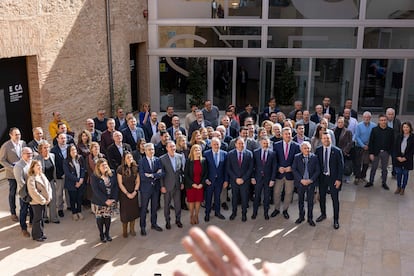
The commission convened in the castle of Riba-roja de Túria, one of the cities hit hardest by the disaster. The agenda included not only organizational matters but also pressing challenges: how to restore infrastructure quickly, support municipalities, and ensure transparency in fund allocation. According to ElPais, representatives from more than 70 cities, along with regional and national officials, were able to discuss details constructively and without sharp conflicts for the first time in years.
New working guidelines
The commission decided to meet every three months to monitor reconstruction progress and update action plans. Four working groups have been set up: addressing mental health, water infrastructure, the condition of natural parks, and emergency response. Oversight is coordinated by representatives from both the Spanish government and the Generalitat Valenciana.
Local authorities are pushing to expand the list of affected municipalities: the number could now reach 103 instead of the previous 78. This will allow more towns to receive assistance and speed up recovery efforts. There are also discussions about integrating representatives from the Hydrographic Confederation into the commission to expedite the approval and implementation of water supply projects.
Financial matters and support
A key issue raised was the fate of €1.7 billion allocated for restoration. Municipalities face bureaucratic hurdles in deploying these funds. Valencia’s authorities proposed waiving interest on received subsidies and simplifying procedures for cities to ensure quicker disbursement. According to participants, there is a shared understanding of the need to change the laws to accelerate construction and repairs.
The Minister for Territorial Affairs noted that the commission would operate on principles of equality and cooperation. If needed, other state agencies will be able to join as well. The state-owned company Tragsa will be engaged to oversee the progress, and insurance payouts to victims have already been recognized as unprecedented in scope.
Plans for the future
The authorities in Valencia are insisting on the creation of a new protection plan for the southern districts of the city to prevent a repeat of the tragedy. The Mayor of Valencia is calling for a faster development and implementation of this project. At the same time, municipal officials emphasize that without legislative changes and closer cooperation with the central government, the recovery process could be delayed.
The commission was formed as a result of an agreement between the Prime Minister of Spain and the head of Valencia. Its creation was approved by the Council of Ministers, and its working model was adopted from a similar structure used after the volcanic eruption on La Palma. According to ElPais, authorities expect that this new format will not only help address current issues more efficiently, but also prevent future disasters.
In recent years, Spain has faced several major natural disasters that required coordination between different levels of government. After the floods in Murcia and fires in Catalonia, special commissions were also created, but it was not always possible to set up operations quickly. Experience from La Palma showed that joint actions and regular meetings help speed up recovery and reduce social tensions. Now, the authorities in Valencia hope that this new approach will bring real change for the affected regions.