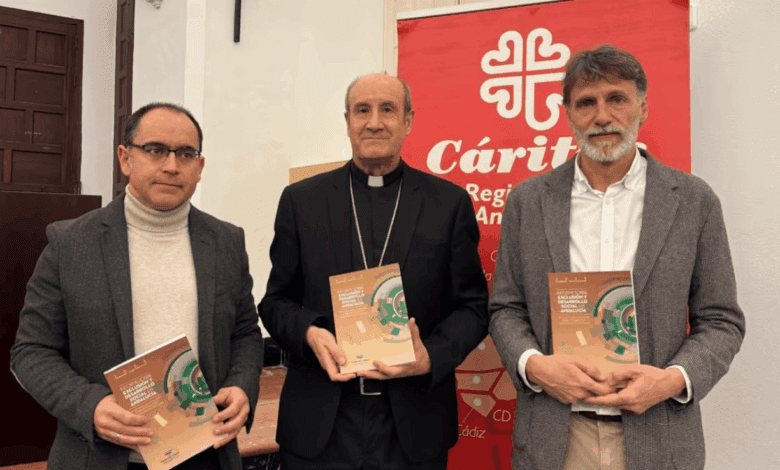
Worrying trends are emerging in Andalusia: every fourth resident of the region is facing social isolation. This issue affects not only low-income individuals, but also those with jobs who still cannot afford a decent standard of living. The availability of housing and job insecurity have become key challenges, shaping a new reality for millions of families.
Experts emphasize that even with declining poverty levels and improved employment figures, Andalusia still leads in the number of people excluded from social integration. After paying for housing and utilities, about 400,000 households are left with incomes below the extreme poverty line. This is more than just statistics—it is a daily struggle for survival for a huge number of families.
Housing and employment
Housing has become the focal point of the inequality issue. Young people and entire families are unable to buy or even rent separate accommodations. Property and rental prices have long outpaced wage growth, creating a gap between incomes and expenses. Experts call this gap the “epicenter of inequality” in the region.
The situation is particularly acute among young people, for whom independent living has become almost unattainable. At the same time, rising housing prices are not matched by real income growth, which only exacerbates social tensions. As a result, many are forced to live in conditions far from decent living standards.
Myths About Poverty
The widespread notion that poverty is reserved for the passive and unemployed is not supported by facts. Most people who find themselves socially isolated are actively seeking work, undergoing training, maintaining ties with family and the community, and participating in social integration programs. This debunks stereotypes and highlights systemic problems rather than personal lack of initiative.
From 2018 to 2024, the unemployment rate in Andalucía dropped by seven points, but the region still leads the country in this indicator. A significant share of new jobs is held by migrants: in recent years, the number of workers born outside Spain has increased by 40%, compared to only 10% among locals. This highlights the role of migrants in the region’s economy and points to structural changes in the labor market.
Work Without Guarantees
Employment growth does not automatically mean escaping poverty. Many residents of Andalusia are forced to work part-time or accept short-term contracts, which do not guarantee a stable income. Even with wage increases, pay barely keeps up with inflation, and the average salary in the region remains below the national average.
As a result, more than 10% of households in Andalusia depend on the income of someone facing severe job insecurity. Families where a woman is the primary breadwinner are particularly vulnerable. This adds extra strain to the social fabric and deepens inequality.
Access to healthcare
In addition to economic difficulties, problems accessing medical services are growing. Over 1.3 million residents in the region struggle to pay for treatment and medicine. The healthcare system, weakened by the effects of the pandemic, cannot keep up with rising demands.
Particularly concerning is the decline in equal access to medical care. Services not covered by the public system—such as dental care, prosthetics, or psychological support—are becoming unavailable for a significant portion of the population. This leads to chronic problems and further deepens social isolation.