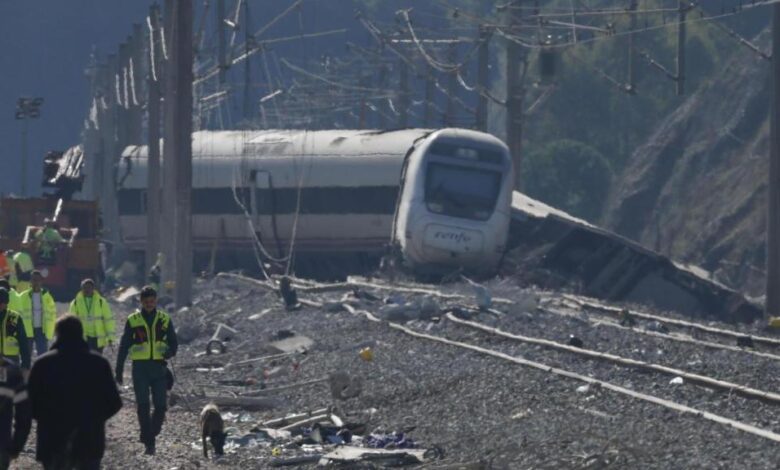
One of the largest search operations in recent years has concluded in Adamuz (Adamuz). This morning, rescuers recovered the bodies of the two last missing passengers who were trapped under the wreckage of railcars that had fallen from a four-meter embankment. This brings the death toll from the train disaster to 45. This figure matches the number of missing persons reports filed with emergency services after the tragedy.
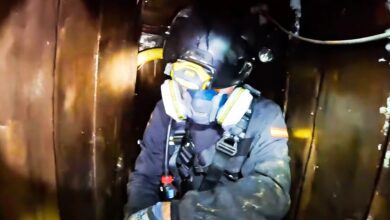
Since the accident, more than 400 specialists have remained at the scene. Among them are dog handlers, forensic experts, drone operators, and rescue workers. Their mission is not only to find all the victims, but also to ensure safety at the site, where twisted carriages and piles of metal still pose a threat. The work has been hampered by the challenging terrain and the risk of further collapses.
Victim identification
So far, the identities of 43 victims have been established. Fingerprinting and DNA analysis have been used to speed up the identification process. A temporary assistance center for relatives was set up at the Civic Activity Center in the Poniente Sur district (Poniente Sur) of Córdoba (Córdoba). Here, families receive all necessary information and support, and can also provide data to help identify their loved ones.
Staff at the Institute of Forensic Medicine continue their efforts to complete the identification of all victims. Special attention is given to cases where standard methods fail. In these instances, experts turn to additional genetic tests to eliminate any possibility of error.
Rescue Operation Progress
From early morning, search teams combed not only the train cars but also the areas adjacent to the tracks. Modern technology was deployed: drones with 3D infographics, thermal imaging cameras, and specially trained dogs. With every hour proving critical, coordination between various services became a key factor for success.
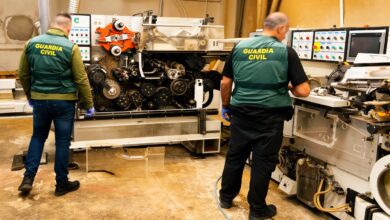
Specialists from the Central Forensic Inspection Group played a pivotal role. Their expertise enabled rapid identification of possible locations of the missing, despite challenging conditions and limited access to some parts of the wreckage. As a result, search delays were avoided and risks to rescuers were minimized.
Aftermath of the Tragedy
The scale of the disaster shocked not only Adamus residents but the whole of Andalucía. Regional authorities have already declared a period of mourning for the victims. High-ranking officials are expected to arrive in the coming days to assess the situation and discuss measures to prevent such tragedies in the future.
While debris removal and evacuation of damaged cars continue, experts are analyzing the causes of the accident. The final conclusions have yet to be made, but it is already clear that the impact of this incident will linger in the memory of local residents and the entire country for a long time.
The work goes on
Despite the search being called off, dozens of specialists remain at the scene of the tragedy. Their task is to ensure safety, complete the dismantling of the structures, and prepare the area for restoration work. An official report on the causes of the disaster is expected to be released soon.
The events in Adamus serve as a reminder of how fragile human life is and the importance of improving transportation safety systems. For many families, this day marked a point of no return, and for the country as a whole, it became a reason to reflect on the future of rail transport.