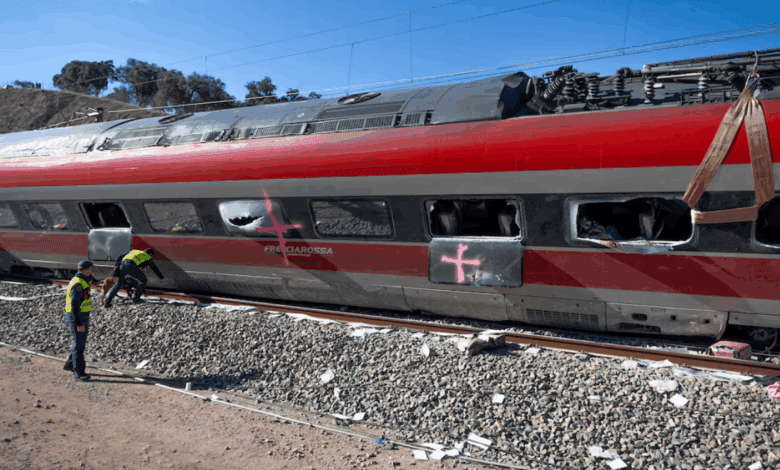
The railway tragedy in Adamuz (Córdoba) has become one of Spain’s most talked-about incidents in recent years. The scale of the event and the number of victims have prompted authorities and experts to rethink approaches to infrastructure monitoring. Questions about the quality of work and technical oversight have become especially pressing following the release of a preliminary report, which does not rule out any possible causes.
According to RUSSPAIN.COM, attention has focused on details related to the condition of the rails and the quality of their joints. Investigators are scrutinizing the section where a new rail, manufactured in 2023, was welded to an element installed back in 1989. It was at this spot that a fracture occurred, potentially causing the train to derail. Experts are analyzing metal samples and checking for possible violations during repair work or installation of new parts.
Versions and evidence
The report submitted to the court in Montoro notes that none of the possibilities have been ruled out so far. The main versions considered include technical causes—such as a welding defect or metal fatigue—as well as potential intentional interference. Investigators are not excluding the possibility that third-party actions, including sabotage or even a terrorist act, may have led to the disaster. Additional laboratory tests have been commissioned to verify this theory: specialists are searching for tool marks, traces of explosives, or chemicals capable of damaging the metal.
Special attention is being paid to the complaints from labor unions, which previously reported issues with welding quality and the spacing between joints in this section. Investigators believe these reports could be key to understanding the cause of the tragedy. At the same time, blood tests and train operator statements revealed no staff errors, reducing the likelihood of human error.
Technical details
Investigators have obtained surveillance footage, data from Renfe, and results from the site inspection. However, it is too early for definitive conclusions: black box data needs to be deciphered, additional examinations conducted, and the line’s maintenance and operation documents reviewed. Only then will it be possible to confidently determine the causes of the disaster.
While the investigation continues, railway companies are tightening control over track conditions and welded joints. Authorities promise to review safety standards and impose stricter requirements on contractors to prevent similar tragedies in the future.
Context and consequences
Railway accidents in Spain always generate significant public attention. In recent years, the country has faced several major incidents caused by technical failures and operational errors. For example, in 2013, a disaster in Galicia claimed dozens of lives, prompting stricter rules on speed control and track maintenance. Each new incident serves as a reason to review standards and implement new safety technologies. Issues related to infrastructure quality and contractor responsibility remain in the spotlight, and investigations into such accidents often lead to changes within the industry.