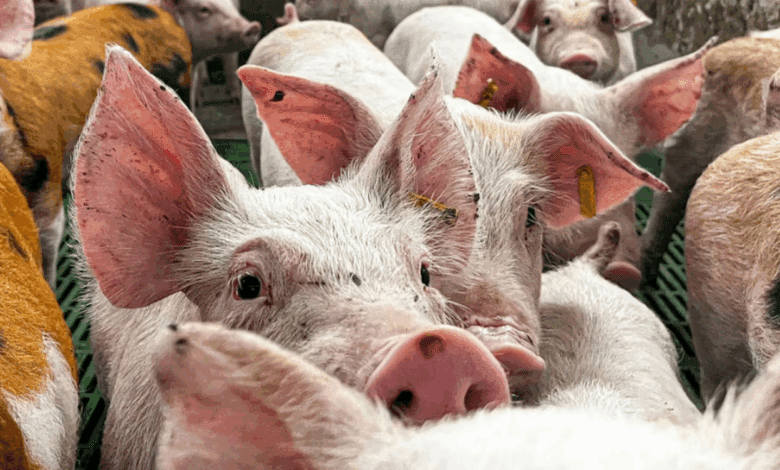
Catalonia continues its battle against African swine fever, which erupted in the Collserola Natural Park near Barcelona. In recent weeks, regional authorities have focused on containing the infection and investigating the source of the virus. So far, 13 cases have been confirmed among wild boars, but no new cases have been detected. The quarantine zone remains limited to a six-kilometer radius, which is helping to keep the situation under control.
Cooperation between local residents, veterinary services, and the administration has proved to be a key factor in preventing further spread of the infection. Their joint efforts have allowed the authorities to isolate the affected area and minimize risks to pig farms in the region. Despite anxiety among farmers and concerns about potential declines in pork prices, officials insist the situation is stable and that control measures are proving effective.
Export and Restrictions
Particular attention is being paid to international trade relations. South Korea, one of the largest buyers of Catalan pork, has decided not to impose a full ban on imports from Spain. The only exception is for deliveries from the 20-kilometer zone surrounding the outbreak. This decision sent an important signal to the market: Korea buys over 110 million euros worth of pork from the region each year, and maintaining exports helps support the local economy.
At the same time, negotiations are underway with other countries, particularly Japan and the Philippines, regarding the possible resumption of exports. Representatives of the Catalonian government emphasize that reopening markets depends on the transparency of the investigation and the effectiveness of the measures taken. International experts are expected to visit soon to assess the performance of local laboratories and the level of biosafety.
Investigation into the causes
Alongside measures to contain the virus, an investigation into its origins continues. Currently, the main theory is a possible leak from a laboratory working with the African swine fever virus. To examine this hypothesis, a special committee has been formed consisting of six experts and one coordinator, who will audit all laboratories involved in studying the virus.
Earlier, the possibility of transmission through food products was considered, but this was dismissed after analyzing the situation. Authorities note that Catalonia has long been regarded as one of the leading centers for African swine fever research, and all laboratories in the region operate under strict international standards. Nevertheless, a thorough review will be conducted to eliminate any doubt.
Measures and control
Wild boars remain at risk, as they can become carriers of the virus beyond the contaminated area. As a result, authorities have decided to reduce their population in the Collserola region. Hunting teams and veterinary services are operating in enhanced mode to prevent the virus from spreading beyond the designated radius.
Catalonia’s authorities are urging residents to stay calm and follow all recommendations. The region has an ongoing monitoring system, and all suspected cases are thoroughly investigated. Officials emphasize that the virus poses no threat to humans, and all measures are focused exclusively on protecting livestock and the economy.
In case you didn’t know, the Generalitat de Catalunya is the autonomous government of Catalonia, responsible for a wide range of issues, including agriculture and food safety. In recent years, the agency has actively invested in biosecurity and the development of veterinary research. Catalan laboratories are considered among the most advanced in Europe when it comes to studying viral animal diseases. Thanks to these efforts, the region maintains its position as one of the largest producers and exporters of pork in Spain and on the international market.