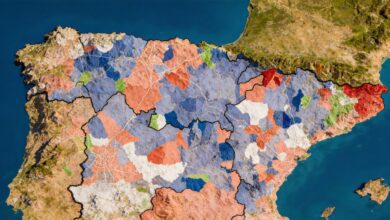
The spread of African swine fever (ASF) in Catalonia is reaching new levels, impacting not only farms but also the daily lives of local residents. Two confirmed cases among wild boars outside the previously established control zone have sent an alarming signal to the region. This has forced the authorities to immediately revise their strategy to contain the virus and to expand the designated high-risk area.
The outbreak was detected in the urbanized area of Molins de Rei, right in the heart of the Collserola natural park. As a result, the municipalities of Molins de Rei and El Papiol have now been added to the strict control zone. Since Friday, access to natural areas here has been restricted, and movement along the main N-2 and B-23 highways is monitored by additional checkpoints. Hunting activities in low-risk zones continue in order to prevent further spread of the virus.
Expansion of measures and new restrictions
Catalan authorities have reinforced sanitary cordons and tightened rules for accessing natural areas. The list of municipalities under special restrictions now includes 14 localities, two more than previously. Over the past few weeks, 155 infections among wild animals have been confirmed in the region; however, the virus has not yet been detected on the farms located closest to the outbreak. This lends a degree of reassurance to pork producers, but the situation remains tense.
The Ministry of Agriculture has ordered a thorough investigation into the causes of the virus outbreak. According to the analysis, the genetic structure of the virus does not match previously known sources, which makes it difficult to identify its exact origin. The main theory suggests that the infection entered through contaminated food waste, but no final conclusions have been made yet. Experts continue to examine various scenarios for how the virus could have reached Catalonia.
Response and impact on the region
The introduction of new restrictions has already affected the lives of local residents and tourists. Access to popular routes and natural areas is now closed, which has sparked discontent among outdoor enthusiasts. Farmers are worried about possible economic losses, since further spread of the virus could lead to mass culling and serious financial damage to the sector.
Authorities emphasize that the situation is under control and urge the public to follow all recommended measures. Additional patrols and inspections are planned in the coming days to minimize the risk of new infections. Special attention is being paid to informing the public about safety guidelines in high-risk areas and the need to immediately report any suspicious cases among animals.
Context and similar cases
African swine fever has caused concern in Europe before. In recent years, similar outbreaks have been reported in Italy, Germany, and Poland, where the virus also spread among wild boars and posed a threat to pig farms. Some regions implemented strict quarantine measures, including large-scale culling of wild animals and temporary closure of forest areas. Despite the efforts of veterinary authorities, the virus remains a serious threat to agriculture and requires ongoing monitoring. In Spain, previous cases were contained more quickly, but the current situation in Catalonia shows that the risk remains high and calls for a comprehensive approach.