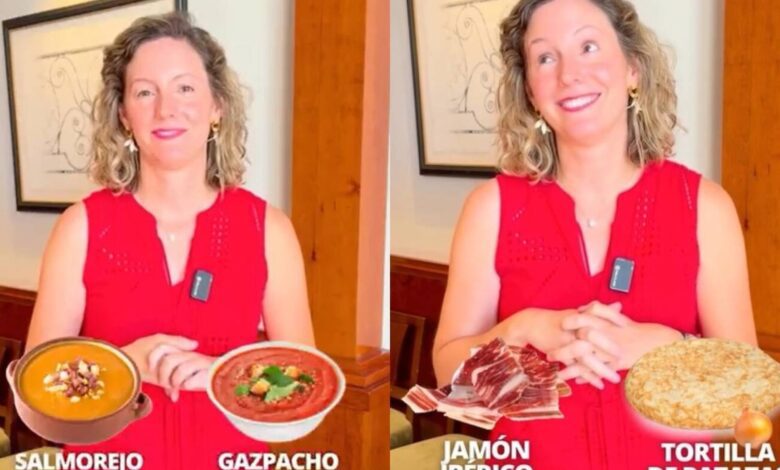
In Spain, gastronomy has long been an integral part of the national identity, and the debate over which dish deserves to be called the country’s main culinary symbol never stops for a minute. A recent culinary experiment involving an American diplomat has reignited the passions surrounding Spain’s favorite snacks. For many Spaniards, this incident prompted a reflection on how traditions are perceived by foreigners and why even simple food can become the subject of diplomatic discussion.
The official account of the US Embassy in Spain posted a video featuring a representative of the diplomatic corps participating in a unique gastronomic face-off. She was challenged to choose a single appetizer from a lineup of iconic Spanish dishes. The list included favorites like salmorejo, paella, croquetas, jamón, and of course, the famous tortilla de patatas. Each round sparked new emotions and lively commentary, and the final choice turned out to be anything but predictable.
Spanish classics under scrutiny
At first, salmorejo confidently outpaced its rivals, but soon faced off against tortilla in the next round. This is where a real debate flared up: with onions or without? This question has long divided Spaniards into two camps, and even foreign guests quickly find themselves drawn into the discussion. Despite doubts about the ingredients, tortilla pulled ahead, leaving even jamón and salmorejo behind.
However, the intrigue only intensified. Just as it seemed tortilla was about to emerge as the undisputed champion, paella entered the stage. This symbol of Valencia and Spanish cuisine unexpectedly seized the initiative, reminding everyone of its special status not only among locals but also beyond the country. And yet, this wasn’t the finale.
A Culinary Duel and an Unexpected Choice
In the final round, croquetas challenged both paella and tortilla. These deceptively simple treats, beloved by millions, managed to win over the heart of the American guest. The outcome surprised even those accustomed to seeing paella or tortilla as the obvious frontrunners. Yet again, it became clear: tastes can be surprising, and gastronomic battles—unpredictable.
Interestingly, such debates about national symbols and traditions often go beyond cuisine. For example, not long ago, Spain was discussing how political disagreements among EU countries might affect Madrid’s image on the international stage. In an article about the conflict between the Spanish and Italian leaders on the eve of the EU summit the issue of national identity and its role in diplomacy was also raised.
Traditions and New Perspectives
The case with the American diplomat showed that even the most familiar dishes can spark heated debates. Spaniards eagerly discuss the proper way to make tortilla, which type of jamón truly deserves to be called the best, and why croquetas have suddenly reached the top of the gastronomic Olympus. For foreigners, these culinary battles are a real discovery, while for locals, they confirm that cuisine here is not just food, but an integral part of the cultural identity.
In recent years, such gastronomic experiments have become increasingly popular. Social networks are regularly filled with videos where foreigners try Spanish dishes and share their impressions. This not only entertains but also helps to better understand how traditions are perceived outside the country. Each of these moments becomes another reason for pride and lively discussion—and sometimes sparks new debates about what truly makes Spanish cuisine unique.
Reflecting on recent events, it is worth noting that such culinary battles have often captured public attention. Last year, a festival in Barcelona let foreign guests vote for the best tapas, and the winner was not paella but marinated anchovies. In Madrid, meanwhile, one of the top favorites at a gastronomic forum turned out to be tortilla with onions, sparking another wave of debate in the media and on social networks. Stories like these confirm that Spanish cuisine never ceases to surprise and bring people together, no matter their background or views.