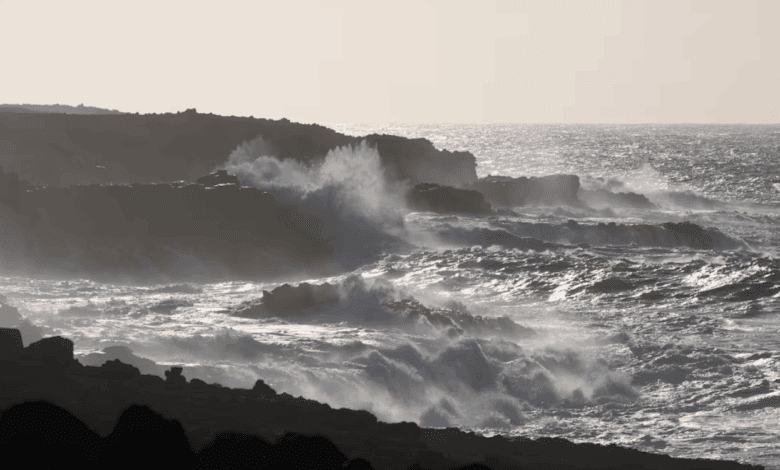
In the early morning hours, sirens once again sounded on Lanzarote as rescue services resumed the search for a young American who disappeared in the waters off Los Charcones. The alarming incident occurred the day before, when a group of students from the USA, despite official bans and storm warnings, ventured into a hazardous coastal area. A powerful wave knocked four young people off their feet—two ended up on the rocks, while the other two were swept into the raging sea.
Emergency services arrived at the scene immediately after the incident: the operation involves marine rescuers, helicopters, police, and firefighters using drones to survey hard-to-reach areas. Search efforts are complicated by rough seas and unfavorable weather, which have persisted for several days. Authorities note that the road to Los Charcones had been officially closed due to an alert issued across the archipelago the day before, but the group of students ignored the restrictions and reached the shore on foot.
Incident details
The tragedy unfolded around three in the afternoon, when a sudden wave struck, sweeping the young people off the coastal rocks. Two of them managed to get back to shore on their own, sustaining minor injuries and did not seek medical assistance. The third was rescued with the help of a helicopter and a boat, but was in moderate condition: the victim showed signs of drowning and hypothermia. The fourth student is still missing, despite all efforts by rescuers.
The search operation involves not only local emergency services, but also national units: Civil Guard and 112 helicopters, as well as marine rescue vessels, patrol the area in shifts. Police and firefighters continue to survey the coastline, using modern technology to search in challenging weather conditions.
Dangerous coastlines
The situation on Lanzarote is not an isolated incident. In recent weeks, the Canary Islands have seen a series of tragedies at sea. In December, a 27-year-old Italian died in the same area after being swept away by a wave while fishing. His body was found half a kilometer from the site, despite the quick response from rescue teams. That same week on Tenerife, four people died when another storm front caught them off guard on the island’s west coast.
According to official data, 69 people drowned in the Canary Islands last year—only slightly fewer than the year before. Experts note that most tragedies occur during periods of strong waves, when tourists and locals ignore warnings and approach the water in prohibited areas.
Authorities’ response
The Canary Islands authorities declared a heightened alert for storm waves as early as Saturday, with forecasts predicting waves up to five meters high. Particular attention was given to Lanzarote and Fuerteventura, where weather conditions are traditionally considered the most dangerous. Despite this, violations of restrictions continue to be reported, raising concerns among locals and rescue services.
Local experts emphasize that even experienced swimmers and fishermen cannot always cope with the unpredictable forces of nature. Social networks are abuzz with debates on tightening control and introducing additional safety measures along popular tourist routes. Many are calling for stricter penalties for breaking bans to prevent further tragedies.
Consequences and questions
The disappearance of the American student once again raises concerns about safety along the Canary Islands coast. The tourist season is in full swing, and visitor numbers remain high despite the warnings. Locals worry that such incidents could harm the region’s image and lead to new restrictions for everyone.
As the search continues, rescuers remain hopeful of finding the missing person alive. However, each new incident is a reminder: nature does not forgive carelessness, and ignoring warnings can end in tragedy even for the most experienced.