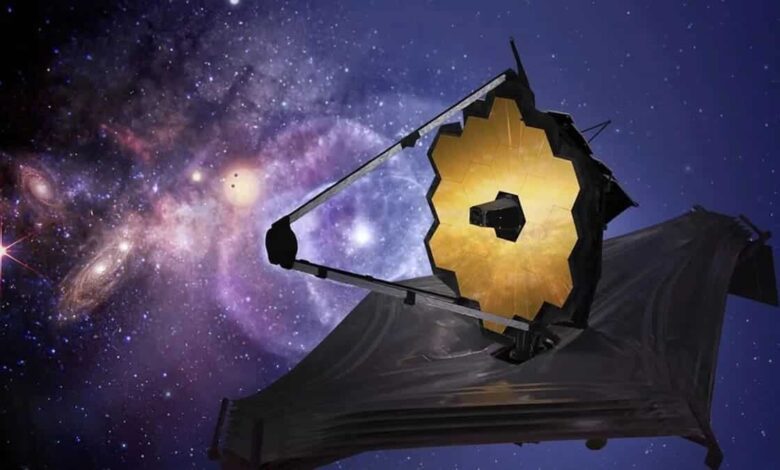
The James Webb Space Telescope (JWST) continues to capture the scientific community’s attention. Ahead of its fifth anniversary, the institute managing the telescope has received a record number of observation proposals. In the latest cycle alone, 2,900 proposals were submitted—significantly surpassing previous years’ figures.
For comparison, a year ago there were 2,377 proposals, while in its first year of operation there were just 1,173. This surge is due not only to a broader range of researchers but also to new opportunities for long-term projects. This year, for the first time, the institute introduced a program allowing observations over several consecutive cycles.
It is especially noteworthy that the number of new principal investigators has grown markedly among applicants. According to the institute, that figure has increased by 17% compared to last year. This trend suggests JWST is becoming more accessible to early-career scientists and specialists who haven’t previously participated in such initiatives.
However, even under optimistic projections for the telescope’s lifespan—engineers estimate it could operate for 20 years or more—it is impossible to accommodate all incoming proposals. Scientific programs are allotted about 8,000 observation hours annually, with the remaining time used for technical maintenance and equipment calibration. Since each proposal requires several hours of telescope time, it simply isn’t feasible to fulfill every project in a single cycle.
An expert panel of scientists and specialists will soon begin selecting the most promising and important research proposals. Preliminary estimates suggest that around 8% of applicants will gain access to the telescope. The rest will have to wait for the next cycle or seek alternative tools to pursue their ideas.
The growing interest in the capabilities of the JWST is driven not only by its unique technical features, but also by the achievements made in its first years of operation. The telescope has already enabled a series of discoveries that have reshaped our understanding of the structure of the Universe and phenomena in distant galaxies.
In the coming months, it will become clear which projects have secured coveted observation time. Competition among scientists is intensifying, and the telescope remains one of the most sought-after tools in modern astronomy.