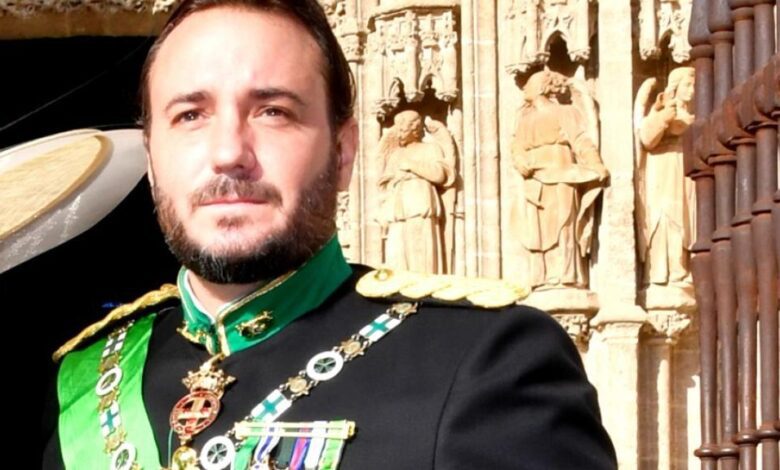
The scandal that erupted over the arrest of Francisco de Bourbon could become a turning point for Spain’s entire system of combating financial crime. For the first time, a member of an aristocratic family linked to the royal household has come under law enforcement scrutiny. This event has already sparked significant public outcry and raised questions about the transparency of financial flows in the country’s elite circles.
According to investigators, Francisco de Bourbon was detained on suspicion of involvement in a complex money laundering scheme connected to international drug trafficking and illegal financial operations. The investigation claims that his role was to facilitate the legalization of large sums obtained through criminal means. At the heart of the case is the former head of the economic crime unit, who, according to police, hid millions of euros in his own home.
Investigation details
During searches at the house of the former head of the National Police unit for economic and financial crimes, cash stashes totaling around 20 million euros were discovered. These funds are believed to have originated from illegal commissions for assisting in the trafficking of drugs into Spain. Investigators think that part of this money was integrated into legitimate circulation through a complex network of shell companies and fictitious transactions.
The investigation also involves a well-known underworld drug dealer, considered one of the most influential in Spain. According to investigators, he was responsible for organizing large shipments of cocaine from Latin America, using fruit cargos as cover. The largest intercepted load—13 tons of cocaine from Ecuador—was found among tropical fruits. This discovery became a key episode in the case and led authorities to the entire criminal network.
Connections and consequences
According to investigators, the suspects acted in a coordinated manner over a long period. The scheme involved not only figures from the criminal world, but also individuals with significant influence in government structures. This factor gives the case particular urgency and raises questions about the scale of corruption in the country.
The arrest of Francisco de Borbón was an unexpected turn for many observers. His name had never been linked to such scandals before, but now investigators are examining all possible channels through which illicit funds may have passed. New arrests and searches are expected soon, along with a widening circle of suspects.
The role of the police
The Spanish National Police continue to work actively to uncover all aspects of the case. The operation is being conducted under heightened secrecy to prevent information leaks and possible pressure on witnesses. Law enforcement officials emphasize that the investigation is just beginning and many unexpected revelations still lie ahead.
Public interest in the details of the investigation is growing, and experts note that cases like this could lead to a reassessment of approaches to monitoring financial flows and to strengthening anti-corruption measures. The case has attracted additional attention because it involves names previously not associated with criminal activity.
Context and analogies
In recent years, Spain has already faced high-profile cases related to money laundering and high-level corruption. For example, in 2023, authorities in Malaga exposed a network that was legalizing proceeds from drug trafficking through real estate investments. At the time, the suspects included entrepreneurs and former officials. Another high-profile case was an investigation into illegal financial operations in Valencia, which revealed links between the drug trade and local officials. These events demonstrated that the problem is systemic and requires comprehensive solutions. The new investigation only confirms that the fight against financial crime in Spain remains one of the nation’s most pressing issues.