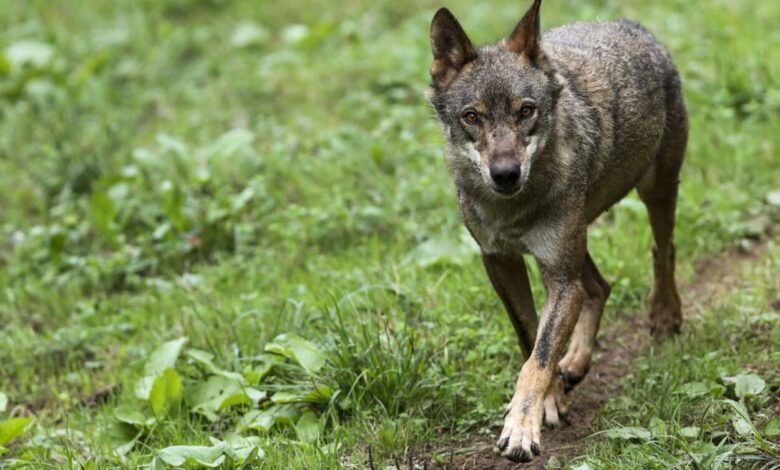
Asturian farmers are once again expressing discontent over new regulations governing wolf population control. Local agricultural associations argue that the measures proposed by authorities do not meet the actual needs of the region. According to them, the number of wolves permitted for culling and the number of participants allowed in each operation are too low to make an impact on livestock attacks.
Recently, municipalities received notifications about the launch of another campaign to regulate the wolf population. However, farmers point out that these letters arrived too late—there is very little time left before the legal hunting season ends. In their view, this makes effective action practically impossible.
Restrictions and concerns
Under the new rules, 54 wolves are scheduled to be culled this year, and no more than 25 people may participate in each organized group. Farmers argue that these limits are inadequate, especially for remote mountain areas where predators are more numerous. They fear this approach will lead to an increase in livestock attacks in the coming months.
A particular concern is that some of the wolves targeted for culling may come from breeding groups. Farmers say this could mean that more wolf pups will be born next season than can be removed. As a result, the problem not only remains unresolved but could become worse.
Previous measures proved ineffective
Local farmers emphasize that previous attempts to control the wolf population have not produced significant results. They note that the involvement of local hunting clubs in such operations has become a forced measure, which only highlights the need to revise the entire strategy. According to them, without fundamental changes, the problem of livestock attacks will remain unresolved.
Farmers are also insisting that control measures be carried out immediately after every attack on animals. They believe that only specialized teams can respond effectively to such incidents, while existing restrictions simply hinder timely solutions.
Demands to the authorities
Agricultural organizations are calling for a review of the criteria used to plan culling operations. They demand an increase in the number of participants in each operation and a more flexible approach to determining the number of animals to be culled. In addition, farmers believe it is essential to recognize the right to protect their property and livestock, especially in remote areas where help does not arrive immediately.
If the authorities do not make concessions, farmers fear that attacks on livestock could get even worse next season. They are convinced that without immediate and effective measures, the problem will persist in the future.