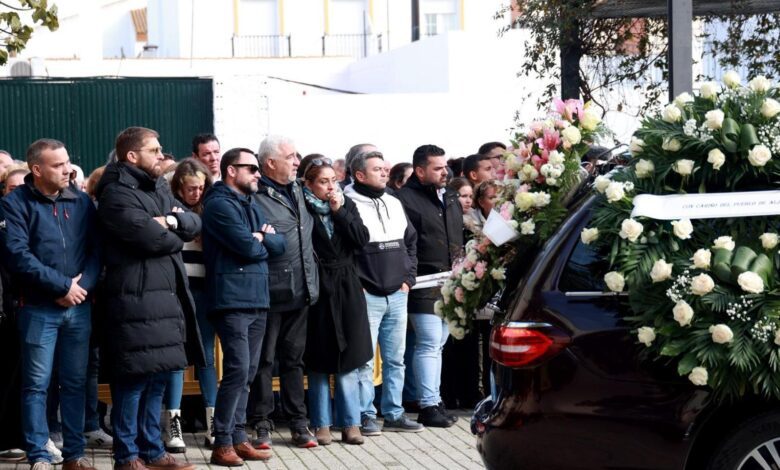
Railway safety is back in the spotlight after the tragedy in Adamuz. Spanish society is alarmed: the consequences of the accident have affected not only those directly involved but also everyone who uses trains daily. A mass rally in Huelva could become a turning point for the country’s entire transport system.
Organizers from Asociación Víctimas Descarrilamiento Adamuz have announced a large-scale demonstration for March 20. Participants will gather at the Huelva train station and march through the city’s main streets to draw attention to the need for full transparency in the investigation. The march will end at Plaza de las Monjas, where a special manifesto will be read. The main demands are disclosure of all circumstances of the accident, identification of those responsible, and implementation of new measures to prevent similar tragedies.
Demands to the authorities
Victims and their families insist that the investigation be as open as possible. They believe that only public oversight can guarantee fairness and prevent a repeat of such incidents. Asociación Víctimas Descarrilamiento Adamuz emphasizes that it is not only about honoring the memory of those who died but also about securing the future for thousands of passengers across the country.
The demonstration is peaceful and open to all. Organizers invite not only the residents of Huelva but also members of various public organizations to join. They believe that broad public support will increase pressure on the authorities and speed up the adoption of reforms for the rail safety system.
Public Outcry
In recent months, dissatisfaction with the quality of transport infrastructure has grown in Spain. After the accident in Adamuz, many experts and activists are calling for a review of safety standards and stricter monitoring of trains’ technical condition. According to RUSSPAIN.COM, such campaigns can change the way this issue is addressed nationally and lead to real reforms.
The surge in civic activity in Huelva mirrors recent events in other regions of the country. For example, in Badalona, residents also took to the streets to demand change after a tragedy involving homeless people, described in detail in the article on the demands to restore shelters after deaths on the streets. These initiatives show that Spaniards are willing to defend their rights and demand concrete action from the authorities.
Context and Consequences
The organizers of the march in Huelva are convinced that only joint efforts can bring about change. They stress that railway safety is not a private matter, but an issue that affects everyone. In recent years, there have already been cases in Spain when public pressure led to reviews of standards and the introduction of new technologies in the transport sector.
Recalling similar incidents, it is worth noting that in 2024, the Castilla y León region saw mass protests after a railway accident, prompting authorities to speed up the renewal of rolling stock and strengthen infrastructure safety controls. In 2025, following a passenger train incident in Murcia, additional inspections were introduced and staff requirements were tightened. These examples demonstrate that public engagement can truly influence state-level decisions and shift approaches to transport safety.