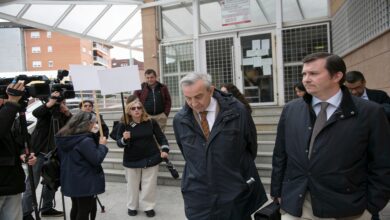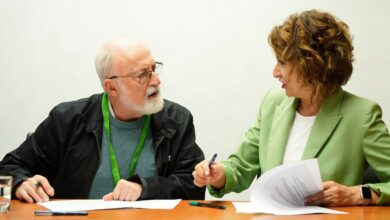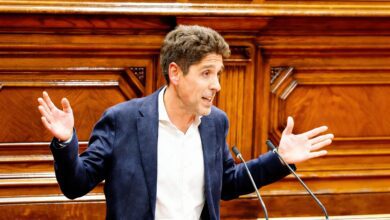
Last November, a high-profile corruption scandal broke out in Almería. Following the arrest of former provincial administration head Javier Aureliano García Molina, officers from the Civil Guard’s Central Operative Unit (UCO) conducted a series of interrogations. In one day, they questioned more than twenty people, including not only business owners and company managers, but also housekeepers, tenants, a travel agency owner, and property owners.
Investigators wanted to know whether the politician paid for services in cash, demanded rent in envelopes, or attempted to buy real estate with “hard” money. The questions aimed to uncover a money laundering scheme known as ‘pitofeo’—when large sums are split into many smaller transactions to avoid attracting the attention of banks and regulators.
Interrogations and Suspicions
Case files indicate that the judge who authorized the arrest drew attention to García Molina’s unusually frequent use of cash. Some of the funds at his disposal had an unclear origin. For example, an envelope containing €7,620 was found in his sister’s house, with a handwritten note: “this money belongs to Javier Aureliano.”
The former provincial leader is accused of forming a criminal organization, abuse of power, contract fraud, embezzlement of public funds, bribery, and money laundering. At the center of the investigation are alleged manipulations in the distribution of government contracts, including the purchase of masks worth more than two million euros during the pandemic. After his arrest, García Molina resigned but remains free pending trial under a travel ban.
Testimonies of employees
Among the first to be questioned was a woman who had spent several years ironing clothes for García Molina. She explained that she worked unofficially and was paid €11 an hour exclusively in cash. Her schedule was irregular: sometimes twice a week, sometimes once, and at times she didn’t come at all.
A second housekeeper, who worked for former deputy administrator Fernando Giménez (Fernando Giménez), also confirmed she was paid in cash, despite having a formal contract and being registered with social security. Her rate was €10 an hour.
Travel and payments
Among those interviewed was the owner of the travel agency through which García Molina booked trips both within Spain and abroad. He confirmed that he had arranged several trips for the politician and his colleagues, including Óscar Liria. Investigators paid particular attention to a vacation on Ibiza in August 2016. The agent did not rule out that some services might have been paid for in cash, although payments were usually made by bank transfer.
According to the police report, some of the expensive trips coincided with the signing of suspicious contracts. However, no cash withdrawals were found in the bank statements that could explain the origin of the funds used to pay for these tours. This increased suspicions that money of unclear origin was involved.
Rentals and real estate
The case also mentions tenants of properties owned by García Molina and his relatives. One tenant, a restaurant owner, claimed she transferred over a thousand euros each month via bank transfer. Another, who rented an apartment in the coastal village of Balanegra, paid 400 euros in cash, handing it to the sister of the former head of administration. Another tenant reported that all payments were made by bank transfer, while another said he handed over 300 euros in cash each month, receiving a receipt which he no longer has.
Investigators also looked into possible real estate investments by García Molina. In particular, they focused on the purchase of a plot in the village of Rodalquilar in the spring of last year. The land was bought for €20,000 in cash, the origin of which remains unclear—no corresponding withdrawals were found in the bank records.
New details
During the investigation, other individuals who may have been involved in real estate transactions were also questioned. One of them, a physical therapist, said he discussed the possibility of joint investments with García Molina, but no actual deals were made.
The investigation is ongoing, and those involved in the case, including relatives of the former provincial head, remain under suspicion of participating in a money laundering scheme through numerous small cash transactions.