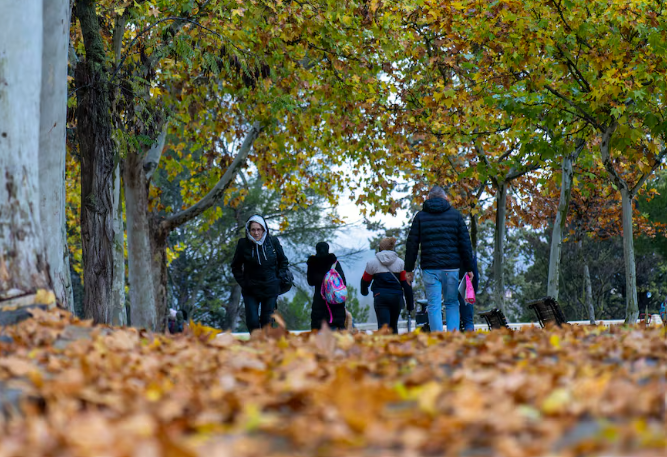
On Monday, September 22, residents of Spain officially bid farewell to summer and welcome the astronomical autumn. This year, the transition will take place exactly at 20:19 local time, marking the start of a new season that will last nearly 90 days until December 21, when winter begins.
The autumn equinox is more than just a date on the calendar. On this day, the Earth passes through the point in its orbit where the center of the Sun crosses the celestial equator heading south. As a result, the length of day and night becomes almost equal. The term “equinox” comes from the Latin for “equal night,” which perfectly describes this phenomenon.
Interestingly, the start of autumn can fall on different dates — between September 21 and 24. During this period, daylight hours shorten especially quickly: each morning, the sun rises a little later, and in the evening, it sets earlier than the day before. On average, the day becomes shorter by nearly three minutes every day.
While the northern hemisphere welcomes autumn, spring arrives in the south. Another feature of this season is the switch to winter time. In 2025, clocks will be set back overnight on October 26, when at 3:00 a.m. it will become 2:00 a.m. again. This change traditionally sparks discussions among Spaniards, as it affects the usual rhythm of life.
Autumn in Spain is not just about changes in nature, but also new expectations related to the weather, holidays, and shifts in daylight. Ahead lie almost three months filled with a unique atmosphere and preparations for winter.