The situation around Iran has once again put Spain before a difficult choice: to support its allies or maintain neutrality. The decisions being made now could reshape the balance of power in the region and impact the country’s security. At the center of attention is the stance of the former Prime Minister, who has openly opposed the current government’s course.
Threat assessment
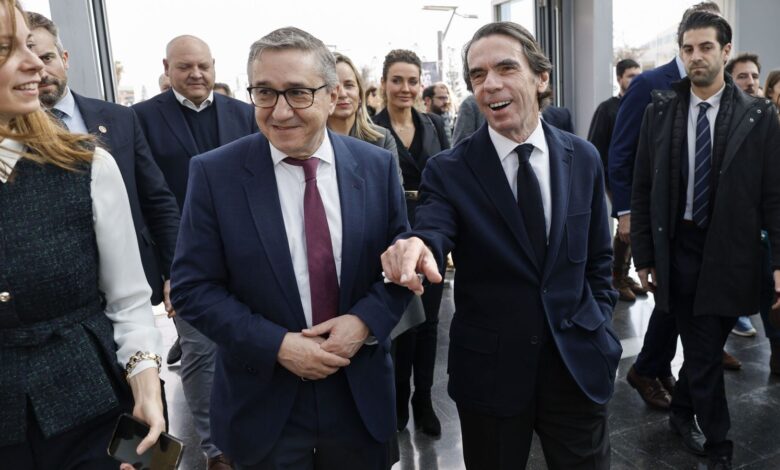
At the annual Forinvest conference in Valencia, dedicated to geopolitical issues, José María Aznar stated that a regime change in Iran by force is justified. In his view, Iran’s leadership has supported extremist groups and destabilized the Middle East for decades. He emphasized that Tehran influences organizations such as Hamas, Hezbollah, and the Houthis, and is also developing missile technologies capable of threatening Europe. Aznar recalled that Russia uses Iranian drones in the conflict in Ukraine, which increases European countries’ concerns.
On the same day, the anniversary of the tragic events in Madrid in 2004 was marked, adding emotional weight to the discussion. According to Aznar, Spain should not remain on the sidelines when it comes to the security of its allies. He recalled that after the attacks, the country received support from the United States, and now, as allies ask for help, it is important to respond in kind.
Domestic disagreements
The question of Spain’s participation in international operations has once again become the subject of heated debate. Acting Prime Minister Pedro Sánchez has refused to support military action against Iran, drawing criticism from the opposition. Aznar believes this approach weakens the country’s position on the world stage and could damage relations with key partners. He also noted that he distinguishes between US policy as a nation and the actions of Donald Trump’s administration, which he called populist.
During the discussion, Aznar emphasized that Spain should side with those who have defended its interests in the past. He highlighted the role of the United States and Israel in ensuring Europe’s security after World War II. According to him, failing to support allies could lead to isolation and a loss of trust on the international stage.
International context
The escalation around Iran coincided with increased activity by the United States and Israel, raising tensions in the region. As noted by El Confidencial, the current crisis recalls the early 2000s, when Spain joined the coalition with the US and the UK. That intervention sparked mass protests and the ‘No a la guerra’ movement, which is gaining relevance again amid recent developments.
Domestic political tensions have intensified: the opposition accuses the government of insufficient support for allies, while Sánchez’s supporters stress the importance of maintaining peace. According to russpain.com, Spain’s refusal to participate in the military operation could impact its strategic relations with the US and NATO, as well as the country’s economic stability.
Consequences for Spain
How Spain will respond to the further development of the conflict remains an open question. Decisions made now may define the country’s role in international politics for years to come. It is important to take into account not only external threats but also internal public sentiment, where memories of previous military operations are still fresh.
In recent years, Spain has already faced the consequences of international crises linked to the Middle East. For example, the debate over the possible withdrawal of US military bases from the country became one of the key issues for national security. Such situations highlight how closely domestic decisions are tied to global developments and how quickly the balance of power can shift.
Looking back at recent events, it is worth noting that crises in the Middle East have repeatedly led to rising energy prices and changes in economic forecasts for Spain. In 2025, measures to reduce fuel taxes due to regional instability were discussed. In addition, sanctions against certain countries have already affected exports and the domestic market. These examples confirm that foreign policy decisions have a direct impact on the lives of Spaniards and require a balanced approach.