A scandal involving a defendant in an animal cruelty case has reignited debate over oversight and accountability in Spain. As animal protection becomes increasingly important in the country, such incidents raise concerns and demand a review of supervisory mechanisms. Violating a court order prohibiting contact with animals could have serious implications for the entire control system.
According to El Pais, Luis Miguel V., known as the Vampire of Humanes, came under scrutiny after he was seen among animals on the premises of Universidad Complutense de Madrid. The animal welfare group El Refugio reported that he had previously been accused of animal cruelty and trading animal blood, and had now enrolled in courses involving direct contact with animals. The dean of the veterinary faculty officially confirmed this, triggering outrage among animal rights advocates.
Case background
In June 2022, Luis Miguel V. was detained on suspicion of systematically starving dogs and cats in order to harvest their blood and other biological fluids, which he then sold to veterinary clinics. He operated without a license or proper qualifications and owned the Centro de Transfusiones Veterinarias, which functioned outside the legal framework. Investigators determined that this practice had continued for two decades and that profits from the illegal activity could have reached substantial sums.
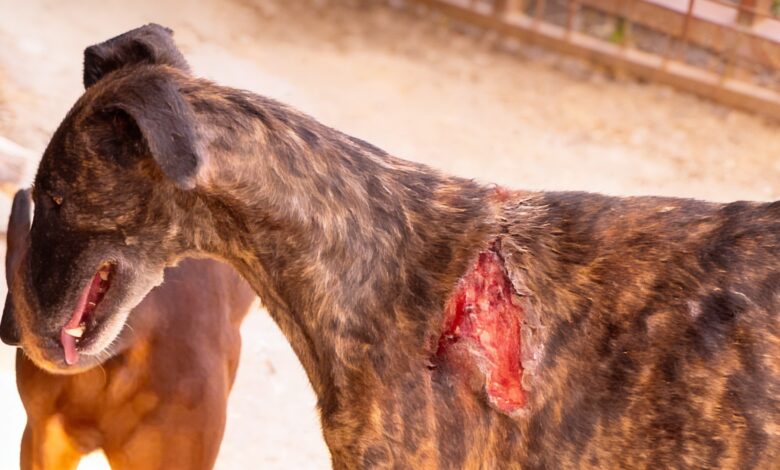
The investigation began after a crematorium employee reported an unusually high number of dog carcasses being received from the Luis Miguel V. farm. During a search of the premises, dozens of animals in critical condition were found, along with evidence that blood was being drawn directly from their hearts to increase volume. The operation led to the rescue of 257 dogs and cats, although not all of them survived after the ordeal.
New violations
Although the Fuenlabrada court prohibited Luis Miguel V. from approaching animals, he managed to be around them again by enrolling in practical courses at a university. According to El Refugio, these courses run from January to May of the 2026-27 academic year and involve direct interaction with various animal species. The organization considers this a direct violation of the court’s restrictions and an attempt to circumvent established measures.
In its statement, El Refugio emphasizes that such actions indicate a deliberate attempt to evade the court’s ruling. Organization representatives note that Luis Miguel V. not only maintains contact with animals but effectively continues activities similar to veterinary practice, despite lacking the necessary rights and qualifications.
Public response
The situation has sparked widespread public outcry and raised questions about the effectiveness of existing mechanisms for monitoring the enforcement of court decisions. In Spain, cases where individuals involved in animal cruelty find ways to circumvent bans and return to working with animals are not new. According to El Pais, such incidents undermine trust in the system and call for tighter oversight from universities and relevant authorities.
In recent years, Spain has repeatedly seen cases where individuals suspected or convicted of animal cruelty have tried to resume their previous activities through educational institutions or private organizations. Public organizations regularly highlight the need for more rigorous monitoring and transparency in such cases. As a result of parliamentary discussions, proposals have already been considered to strengthen accountability for violating court-imposed bans and expand the powers of supervisory bodies.