In the very heart of Madrid, at the intersection of Calle de Alcalá and Plaza de Cibeles, stands a building that remained a mystery to most residents and visitors for many years. Now the doors of Banco de España are open to all: a series of free tours is launching, offering a glimpse into previously inaccessible halls and corridors of one of the capital’s most recognizable architectural landmarks.
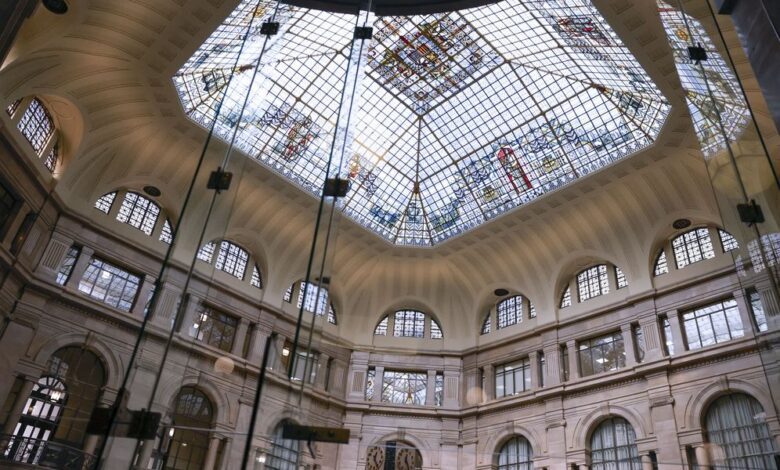
Starting October 4, anyone interested will be able to walk through the halls where financial specialists usually work. The route includes spaces such as the Imperial Staircase, the Operations Courtyard, the Cash Courtyard, and the recently renovated Collection Hall. These facilities are typically hidden from public view, but are now part of the ‘Open Doors’ initiative, aimed at introducing the public to the historical and artistic heritage accumulated over two centuries.
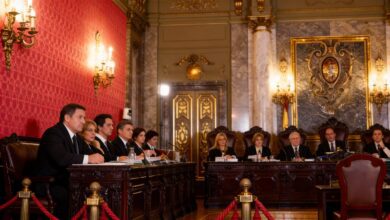
The building, constructed in the 19th century based on the designs of Eduardo de Adaro and Severiano Sáinz de la Lastra, is considered one of Madrid’s main examples of eclectic architecture. In 1999, it was declared a site of cultural interest. Particularly noteworthy is the Carrara marble staircase, adorned with stained glass windows by the German workshop Mayer and allegorical images representing commerce, industry, fishing, and agriculture. During the tour, visitors can access the halls where the Board of Governors meets, as well as the grand dining rooms. The contrast between the building’s formal business environment and the opulent interiors turns the visit into a true journey through the history of Spain’s economy and art.
The origins of the Bank of Spain date back to the 18th century, making it one of the oldest financial institutions in the world. Only Sweden’s Riksbank and the Bank of England predate it.
Tours last an hour and a half, with no more than 30 people per group. The program is divided into several sections: for the general public, for students and schoolchildren, and special tours featuring current and former bank employees. Tours are open to everyone on Fridays from 16:00 to 20:00, and on weekends from 10:00 to 14:00 and from 16:00 to 20:00. Educational groups are welcome on Wednesdays and Thursdays, while volunteer-led tours are held on Mondays and Tuesdays.
Registration is only available through the official website of the Bank of Spain. Tickets are free, but the number of spots is limited. Starting November 14 at noon, registration will open for tours taking place in January, February, and March.
You can reach the building by metro (Line 2, Banco de España station), by bus, by commuter trains (Recoletos and Sol stations), or using the BiciMAD city bikes.
Inside the bank, you’ll find not only Spain’s financial history but also one of the country’s most valuable art collections. Visitors can see works by Goya, sculptures, decorative objects, and a unique collection of clocks—over 140 pieces. Recently, carpets and textiles were added to the collection and are now featured in the bank’s decorative arts section online.
The building also houses an exhibition hall, where temporary shows featuring works from the Banco de España collection are held regularly. This is a rare opportunity to experience cultural heritage that is usually hidden from the general public.