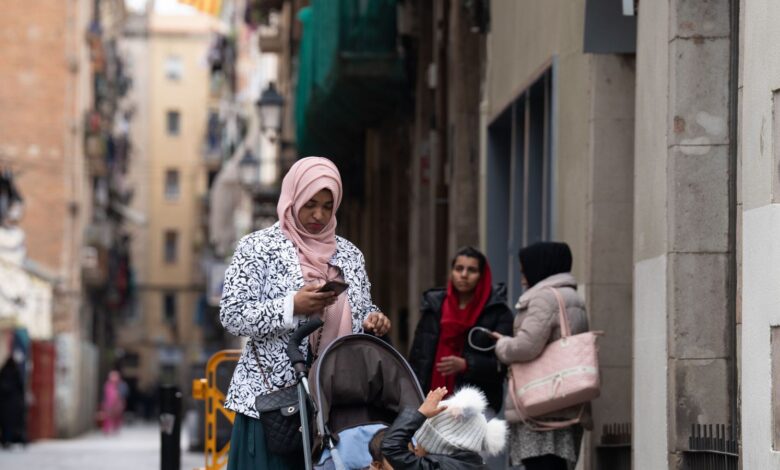
In Barcelona, the authorities have issued special guidelines for schools to take into account the specifics of Ramadan. This decision was quickly noticed by many families and educators: now educational institutions must consider the religious traditions of Muslim students, affecting the usual timetable of classes and events. The new policy applies not only to scheduling, but also to lesson content and the organization of school celebrations.
According to El confidencial, the guidelines were prepared by experts from the Office for Religious Affairs and the BCN Interculturalidad program. The document details how schools can adjust the educational process during Ramadan to uphold students’ rights and foster a climate of respect for different cultures. In particular, teachers are advised to be aware of Ramadan dates in advance and to consider possible absences due to religious practices.
Changes in school life
The guidelines note that during Ramadan, some students may opt out of music or dance classes, viewing these activities as inappropriate during a period of spiritual focus. Schools are encouraged to provide alternative activities or adjust the schedule where possible to avoid conflicts. At the same time, it is emphasized that exemption from mandatory subjects is not stipulated by law, but respecting students’ beliefs is important for harmony within the community.
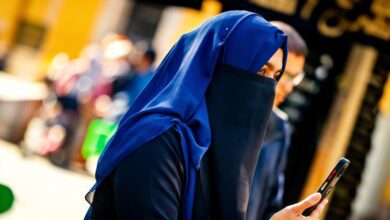
The document also emphasizes the need to inform teachers about religious holidays and customs observed during Ramadan. For instance, students may be absent from classes during the days marking the end of fasting, and are allowed to skip Friday lessons to participate in prayer. Schools are advised not to schedule important exams or events on these days to avoid misunderstandings.
Impact on health and nutrition
As part of implementing the new guidelines, a special lecture was held for teachers with the participation of dietitian Hadia Bakkali. She explained how fasting affects children’s well-being and performance, and offered advice on organizing meals and physical activity during this period. Particular attention was given to hydration issues and adapting PE classes to reduce the risk of fatigue for students observing the fast.
Additionally, city services arranged training sessions for healthcare professionals to ensure proper assistance for patients during Ramadan. The sessions covered scientific findings on how fasting affects health, as well as practical aspects—for example, how to prepare traditional dishes in line with modern nutrition requirements. Doctors were told that pregnant and breastfeeding women are not recommended to observe strict fasting in order to prevent potential complications.
Public response and consequences
The introduction of the new rules sparked a lively debate among Barcelona residents. Some believe these measures help foster mutual respect and prevent discrimination, while others fear it could lead to excessive segregation and make school operations more complicated. Far-right groups sharply criticized the city hall’s decision, but municipal authorities insist on the need to consider the interests of all segments of the population.
According to El confidencial, the guidelines for schools are part of a broader policy in support of diversity and equality in Barcelona. The authorities emphasize that knowledge of the traditions and customs of different peoples helps avoid stereotypes and conflicts, while also ensuring equal access to education. In the coming months, additional training sessions for teachers and healthcare professionals are planned to enhance their competence in intercultural communication.
In recent years, there has been growing debate in Spain about how educational institutions should respond to the religious and cultural needs of students. In some regions, special recommendations for schools during Ramadan have already been introduced, along with programs to adapt the educational process for children from various countries. Such initiatives receive both support and criticism, but consistently spark public discussions on the boundaries of tolerance and integration.