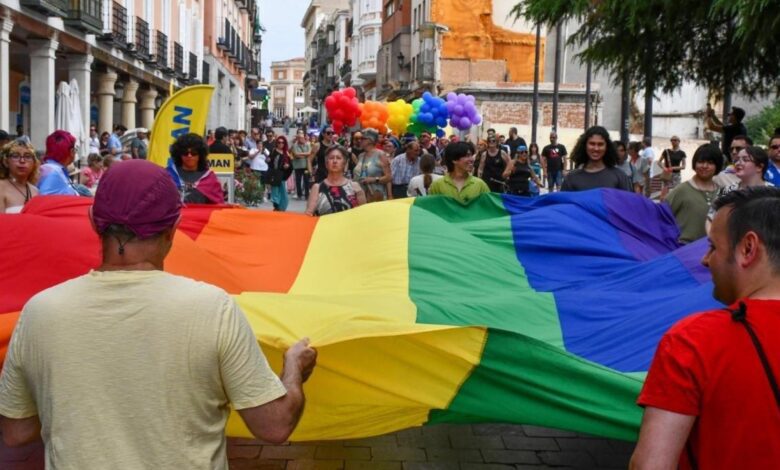
A court ruling in Barcelona has sent a strong signal to Spain’s entire service sector. For the first time in recent years, a restaurant employee has been handed not only a monetary fine but also a two-year professional ban for discriminating against customers on the basis of sexual orientation. This decision could affect how customer rights are addressed in venues nationwide.
The legal proceedings began after an incident that occurred in the fall of 2022 at a restaurant in Barcelona. Two women sat down on the venue’s terrace to order coffee, but the waiter refused to serve them. At first, he cited being busy, then claimed the requested drinks were unavailable, and eventually asked them to leave, explaining it was lunchtime. According to RUSSPAIN.COM, other customers continued to receive service at that time, confirming the employee’s bias.
When the women tried to clarify the reason for the refusal, the waiter indicated that his decision was connected to their orientation. After the couple returned to the restaurant, the man openly stated he chooses whom to serve. As a result, both women experienced significant stress and sought help from professionals.
Court decision
The case was initially heard in a court of first instance, where the accused was acquitted. However, the prosecution appealed, and the case reached the fifth section of the Barcelona court. Ultimately, the court ruled that the waiter’s actions violated the principle of equality and constituted unacceptable discrimination. As punishment, he was ordered to pay €2,000—€1,000 to each victim—and received a special two-year ban from working in the service sector, as well as a prohibition on engaging in any educational or sports professions involving children or young people.
The court decision emphasizes that refusing to serve clients based on sexual orientation contradicts fundamental rights and freedoms enshrined in Spanish law. The document notes that the employee’s actions caused moral harm to the victims, leading to anxiety symptoms and emotional distress.
Implications for the industry
This case has sparked wide debate among restaurant and café owners. Many experts believe that such court decisions could prompt establishments to tighten their internal policies on discrimination. Authorities in Catalonia are already discussing additional measures to monitor compliance with customer rights in the service sector.
Professional circles note that the incident in Barcelona may set a precedent for other regions of the country. It is expected that following this decision, the number of discrimination complaints in restaurants and cafes may rise, and employers will pay closer attention to staff behavior.
Context and Similar Cases
In recent years, Spain has seen isolated cases of service refusal for various reasons, but such strict measures against employees are rare. In 2024, a Madrid bar owner was fined for refusing to serve a customer with a disability, though no professional ban was imposed. In Catalonia, cases of discrimination based on nationality have also been debated, but most ended with moral damages compensation without further sanctions. The Barcelona court’s ruling may become a new point of reference for handling similar cases in the future.