The situation with Rodalies in Catalonia directly affects the daily lives of thousands of residents. After a series of breakdowns and accidents, the transport system has come under close scrutiny by the authorities. The decisions made at the latest meeting in Barcelona could change the usual pace of travel and impact the region’s economy.
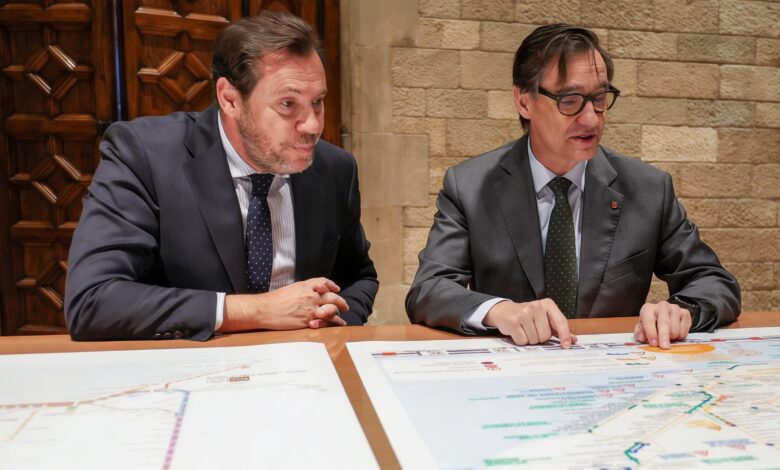
As El Pais reports, on Thursday morning negotiations took place at the Palau de la Generalitat between Catalonia’s president Salvador Illa and Transport Minister Óscar Puente. The main topic was the future of Rodalies and the completion of the transfer of the R1 line after the creation of the joint venture. The meeting started at 7 a.m. and brought together key representatives from both administrations, including José Antonio Santano and Sílvia Paneque. According to RUSSPAIN, the talks proceeded in a spirit of cooperation despite recent sharp disagreements.
The Rodalies crisis and its consequences
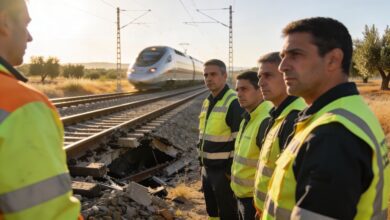
The Rodalies system has been in a prolonged crisis since January, when storm Harry caused extensive infrastructure damage. The situation worsened after the tragedy in Gelida, where a trainee driver died. This incident became a turning point for the region’s transport policy. Minister Óscar Puente visited Barcelona for the first time since these events to personally assess recovery efforts and discuss next steps.
During the meeting, the parties discussed not only ongoing repairs but also long-term measures to adapt the network to climate change. According to El Pais, normal service is expected to resume on most sections by late April and early May, except for two problematic areas. More than 400 Adif specialists are involved in the repairs, and total investment under the Rodalies plan reaches 8 billion euros.
Funding and joint projects
The Catalan and Spanish authorities have agreed on joint management of Rodalies through a new company involving both parties. This entity will be responsible for organizing transport and overseeing service quality. Adif has already invested 115 million euros to address the aftermath of the storm, while the Generalitat has allocated 13 million euros to strengthen bus routes and inform passengers. The Ministry of Transport has committed to reimbursing these expenses to the region.
Both sides emphasized the importance of coordination between different levels of government to improve the effectiveness of the transport system. The creation of the joint venture is cited as a successful example of cooperation and is expected to serve as a model for other regions. According to El Pais, the parties also discussed plans for further infrastructure development and the introduction of new technologies to enhance the resilience of the network.
Impact on residents and outlook
For residents of Catalonia, stable Rodalies service means not only convenience but also economic security. Train disruptions lead to lost time, reduced productivity, and growing public dissatisfaction. Authorities promise that once the current works are completed, the situation will improve, and new investments will help prevent similar crises in the future.
Issues of transport accessibility and the modernization of the railway network remain at the center of public attention. Recent events in Barcelona highlight the importance of dialogue between central and regional authorities. Analysis by russpain.com indicates that such crises require not only technical solutions but also political will for implementation. In this context, the experience of other regions, where joint projects have already proven effective, is especially relevant.
In Spain, topics related to transport infrastructure regularly spark intense debate. For example, there was recent discussion about the role of court rulings in shaping the political climate, as covered in the article on how conflicts are impacting the future of Andalusia — details on Judge Calatayud’s perspective on change in the country. Such topics show how closely transport, politics, and public opinion are intertwined in modern Spain.
In recent years, Spain has faced several major transport crises caused by weather disasters and technical failures. In 2024, a similar situation occurred in Madrid, where key railway lines were temporarily shut down following heavy rains. The recovery then took almost a month, prompting authorities to strengthen infrastructure monitoring. In Catalonia, similar measures are already showing results: new safety standards are being implemented, and passengers are receiving more information about potential schedule changes. Step by step, these actions are shaping a new culture of transport management in Spain.