The decision to ease the detention conditions for Ángel Tellería has become a significant event in Spanish society. For the first time in many years, the Basque Country authorities have invoked Article 100.2 of the Regulations, which allows a prisoner to leave prison on weekdays to receive treatment. This move has sparked discussion among experts and victims’ families, as it concerns a person tied to a series of high-profile crimes committed in the past.
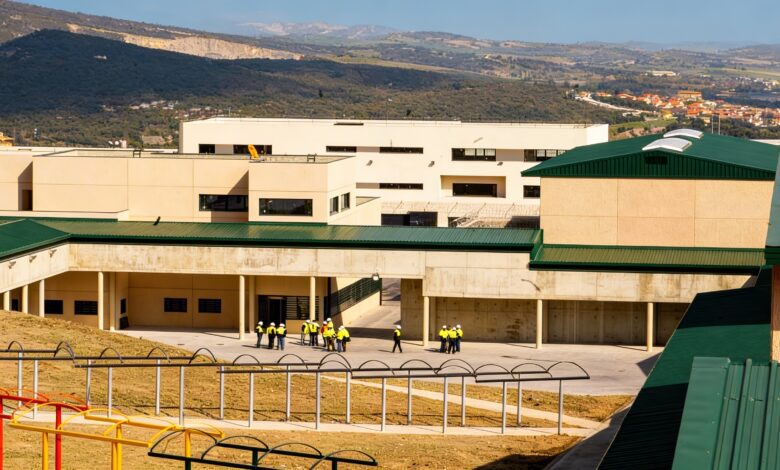
As El Pais notes, Tellería will remain under the second penitentiary regime, but will now be allowed to leave the walls of Zaballa prison (Álava) from Monday to Friday, returning each night. This approach is justified by the need for ‘assisted treatment,’ which became the basis for reviewing the terms of his imprisonment. Authorities emphasize that this is not a full release but a partial freedom under supervision.
Tellería’s profile
Ángel Tellería Urriarte, known by the nickname “Antxoka”, was an active member of ETA since 1972. In the mid-1970s, he was part of the ‘Txabi Etxebarrieta commando,’ taking part in attacks on sites in the Basque Country, including explosions near the Civil Guard barracks in Erandio and planting the ‘Ikurriña-trap’ in Arrigorriaga. After a split within ETA, he continued in the armed wing.
In 1980, Tellería fled to France, but soon returned to Spain, where he became part of the ‘Goierri Kosta commando.’ This unit organized the attack on the Haizea bar in Zarautz, which resulted in five deaths, four of whom were members of the Civil Guard. In June 1981, during a police operation, the group that included Tellería killed National Police inspector María Josefa García Sánchez—the first female police officer killed by ETA in the line of duty.
Consequences and reactions
In October 1982, the same commando carried out an attack on the Civil Guard barracks in Leiza (Leiza, Navarra), killing a civilian and wounding two officers. After this, Tellería went into hiding in France again, later moving to Mexico. He was only arrested in 2017 in León-Guanajuato during a joint operation between Spanish and Mexican security services.
The relaxation of the prison regime for a person convicted in ETA cases sparks mixed reactions in society. Some believe such decisions could set a precedent for other inmates, while others fear it may heighten tensions between victims of terrorism and the state. According to El Pais, authorities emphasize that each case is reviewed individually, and the application of article 100.2 does not mean automatic release for all those convicted of similar offenses.
Context and parallels
In recent years, Spain has faced the need to reassess its penitentiary policy regarding former members of radical organizations. The issue of reintegration and the possibility of partial freedom for convicts remains a subject of debate. Analysis by russpain.com indicates that such decisions are often accompanied by public discussion, as was the case when support measures were considered for people facing difficult life circumstances, such as evictions from temporary camps in Barcelona — details on the authorities’ response to such cases.
Recalling recent events, it is worth noting that in 2025, several inmates linked to terrorist organizations were also granted partial release on medical grounds. These decisions at the time provoked protests from victim associations and debates in parliament. Authorities explained their actions as necessary to uphold human rights and to comply with international standards on the treatment of prisoners. Such cases are becoming increasingly visible against the backdrop of ongoing changes in Spain’s penitentiary system, where the balance between security and humanity continues to be a source of debate.