A new debate over regional financial autonomy is heating up in the Spanish Congress. Representatives of the BNG (Galician Nationalist Bloc) have officially proposed removing Galicia from the common financing system and granting it a special economic status. This move would allow the region to collect and manage its own taxes, as is already the case in País Vasco and Navarra.
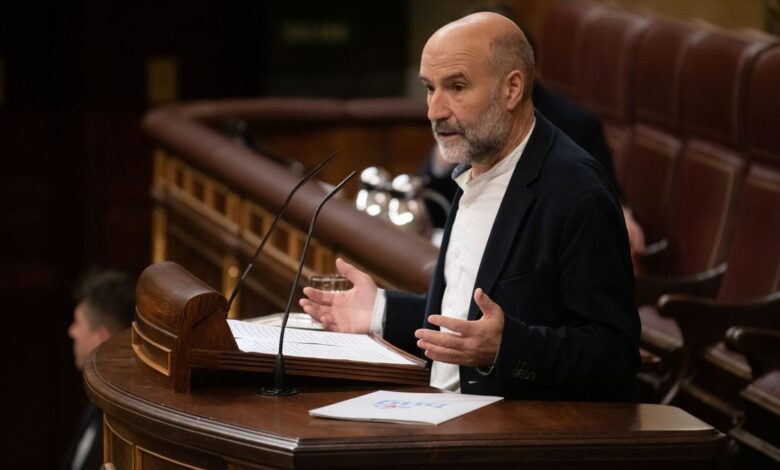
The BNG initiative came after a recent discussion between deputy Néstor Rego and First Vice President and Finance Minister María Jesús Montero. Rego emphasized that the current funding model is based on the principle of necessity, while the ‘concierto’ model relies on the principle of capability. According to him, Galicia has sufficient potential to take full responsibility for its tax policy and regulatory framework.
Congress debates and government response
During the debate, the Finance Minister avoided giving a direct answer to the BNG proposal. Instead, she criticized the rhetoric about a ‘fiscal deficit,’ comparing it to slogans heard during the Catalan independence process. Nonetheless, BNG remains firm, insisting on the need to reconsider the financial relationship between Galicia and the central government.
The party has submitted a proposal to Congress calling for the start of bilateral negotiations between Madrid and the government of Galicia (Xunta de Galicia). The main objective is to lay the groundwork for transferring to the region the authority to collect all taxes and to establish its own tax agency. According to BNG, this move would give Galicia greater autonomy and allow for more effective management of its resources.
The issue of local budgets and debt obligations
The BNG initiative also emphasizes the need to review the system for financing municipalities. The party demands a fair distribution of revenues between the national and local governments, so that no municipality is placed at a disadvantage. Special attention is given to so-called ‘external’ costs, which often fall on city and rural administrations without corresponding funding.
In addition, BNG insists on the prompt cancellation of part of Galicia’s state debt. Party representatives believe that this would free up additional resources for regional development and ease financial pressure on local budgets.
Historical context and possible consequences
The issue of granting Galicia special economic status is not being discussed for the first time. However, now, amid protracted negotiations over reforming the autonomous communities’ financing system, BNG’s initiative is particularly relevant. If approved, Galicia would become the third region in Spain with the right to collect its own taxes, which could trigger a wave of similar demands from other autonomous communities.
It remains unclear how other political forces and the government will respond to BNG’s proposal. The question of redistributing tax revenue has traditionally sparked sharp debates between the central government and the regions. The decision on BNG’s initiative could set a precedent for the entire country and alter the financial balance between Madrid and the autonomous communities.