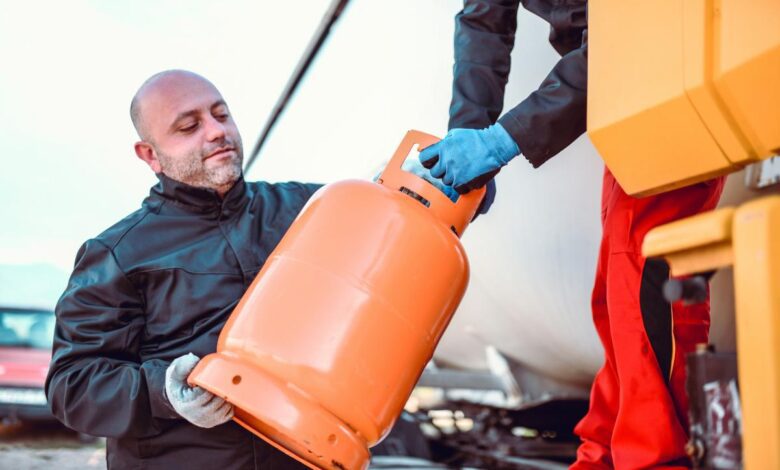
Starting January 20, Spanish families will face yet another increase in the price of the familiar butane cylinder. The standard 12.5-kilogram cylinder will now cost €15.58—0.7% more than before. This is more than just a number: for millions of households, especially in rural areas and regions with mild climates, such changes are deeply felt.
This time, rising prices can’t be traced to just one factor. First and foremost, the cost of gas transportation has jumped by 5.1%. Added to this is a 3.8% increase in the price of raw materials—butane and propane. And as if that weren’t enough, the euro has slipped slightly against the dollar, impacting the final price. As a result, even minor currency fluctuations can hit consumers’ wallets.
Regulation and Review
In Spain, the price of butane cylinders is not left to the mercy of the market. It’s set by the government and reviewed every two months, strictly on schedule—on the third Tuesday of every odd month. A dedicated agency oversees this process, and the pricing formula takes into account several variables: the cost of raw materials, transportation expenses, and the euro-to-dollar exchange rate.
Since 2015, a rule has been in place: the price can’t change by more than 5% per review. If the real change is greater, the difference is carried over to the next period. This system is designed to smooth out sharp jumps, but with rising costs becoming the norm, it doesn’t always prevent unpleasant surprises.
The Spanish Context
Despite gas cylinders gradually falling out of favor, around eight million Spanish households still use them. They are especially common in small towns and villages where central heating systems are rare. Each year, more than 64 million liquefied gas cylinders of various sizes are consumed across the country.
However, the trend of recent years is clear: from 2010 to 2021, the consumption of bottled butane and propane dropped by more than a quarter. The reasons are a switch to alternative energy sources, improved infrastructure, and the simple fact that fuel is getting more expensive. Yet for many people in Spain, cylinders remain the only available option.
Pricing formula
So how is the final price determined? Three key factors are considered. First, the cost of the raw materials—butane and propane—which are bought on the global market. Second, transportation: delivering bottled gas throughout the country is getting more expensive due to rising fuel prices and logistics costs. Third, the exchange rate: if the euro weakens against the dollar, imports become pricier, and this is immediately reflected in the price for the end consumer.
This system might seem complicated, but in practice it’s quite transparent. Each review acts as a barometer of the country’s and the world’s economic situation. And while this time the increase was minor, there is no guarantee that things won’t take a turn for the worse in the future.
Impact on daily life
For many Spaniards, even a small price increase is more than just statistics. With the cost of goods and services on the rise, every cent matters. The impact is especially hard on pensioners and low-income families, for whom the gas cylinder is often the sole source of heat and hot water.
While authorities insist that the regulatory system shields consumers from sudden price swings, the reality is different: energy costs keep climbing. If this trend continues, access to basic resources will become an even more pressing issue for millions of families.