The sudden resignation of María Jesús Montero from the post of First Vice President and Minister of Finance has become one of the most discussed events in Spanish politics in recent months. For many Spaniards, this change means not only the departure of a key government figure but also potential shifts in economic policy, affecting a wide range of issues—from taxes to budget allocation. Amid an unstable international environment and mounting domestic pressure on the government, such personnel changes take on special significance for Spain’s future.
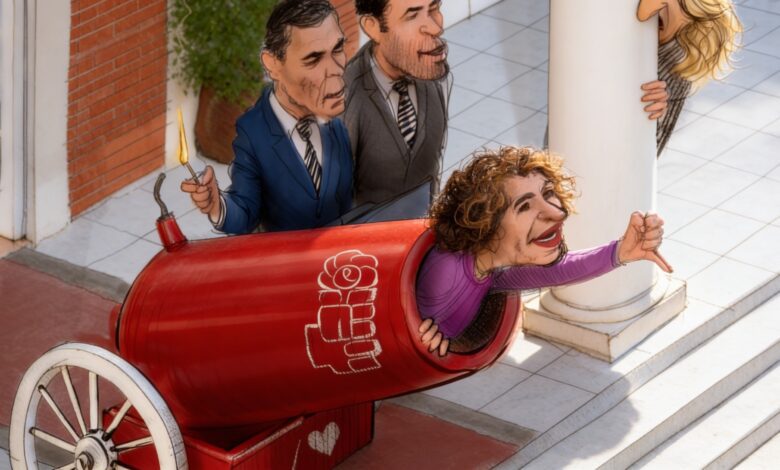
Pedro Sánchez announced the decision to part ways with María Jesús Montero outside the Council of Ministers building. The Prime Minister emphasized that he considers Montero one of the most important members of his team in recent years. He highlighted her contributions to the cabinet and expressed gratitude for nearly eight years of dedicated service to the country. However, Montero herself did not attend the speech—she had already left the parliamentary session, where she earlier voted for a key bill involving tax changes triggered by the Middle East crisis.
A farewell without formalities
In parliament, Montero’s farewell took place without official ceremonies. She limited herself to a brief gesture: raising her fist and loudly shouting ‘¡a ganar!’ to her fellow members of the Socialist faction. Some ministers, including Carlos Cuerpo, who soon took over her post, approached to personally say goodbye. Antidio Fagúndez, a deputy from Zamora, gave her two red roses, but the atmosphere remained reserved. There was no group photo or long embraces with the Andalusian deputies. Montero still retains her parliamentary mandate, as her transition to the Andalusia parliament is not yet complete and her employment with the Virgen del Rocío hospital requires compliance with formal procedures.
On social media, María Jesús Montero thanked Pedro Sánchez for his trust and emphasized that she considers him an outstanding leader who managed to take Spain to a new level in challenging circumstances. According to russpain.com, her parliamentary colleagues note that the warmest farewell took place the day before, when Montero took the podium for the last time and called on the Socialists to continue working for the majority of citizens.
A contrast with other resignations
The restraint shown during Montero’s resignation contrasted sharply with previous changes of key government figures. For example, when Nadia Calviño left last year, Pedro Sánchez publicly acknowledged her achievements right in the chamber and later offered her personal words of support. In Montero’s case, the prime minister left the chamber immediately after the opposition’s questions, not staying for her final address. When representatives of the Partido Popular began to criticize Montero, Sánchez was already at Moncloa, while the Socialists and their Sumar allies applauded her for more than a minute. Yolanda Díaz also approached Montero to say goodbye in person, though the defense and interior ministers were absent.
The appointment of Carlos Cuerpo as vice president also sparked discussion in political circles. As an analysis by russpain.com notes, there is concern in the government about the new balance of power. This decision could influence the future distribution of powers and the strategy for economic reforms.
Consequences for the political landscape
The departure of María Jesús Montero could mark a turning point for the Socialist Party and the entire government. Her experience and authority have been crucial in maintaining stability within Sánchez’s team, especially during heated debates on the budget and tax policy. Now, attention turns to the new leaders, who will need to prove their effectiveness amid growing competition and pressure from the opposition.
In recent years, Spain has already faced abrupt changes among top government officials. For example, the replacement of the Ministers of Economy and Interior in 2024 sparked vigorous debates about the future direction of the government. Such shake-ups often lead to a reassessment of priorities and adjustments in strategy, impacting the entire political system. With international and domestic tensions running high, each decision like this takes on particular significance for Spain’s future.