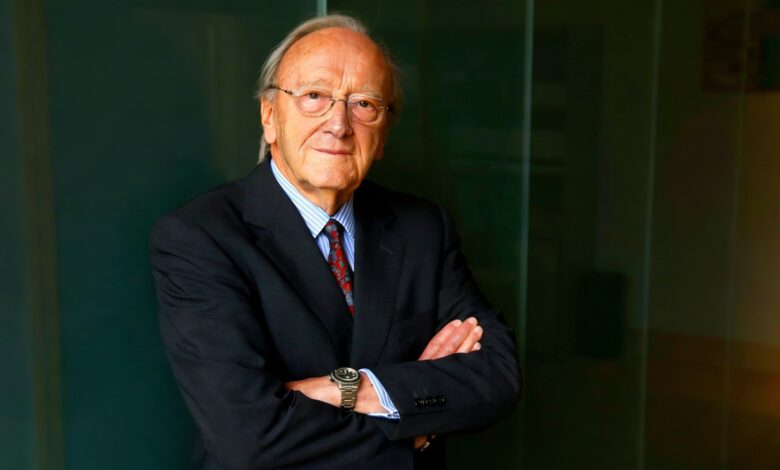
The influence of Carlos Westendorp on European and Spanish diplomacy is still felt today. His approaches to negotiations and reforms changed the way Spain was perceived within the European Union and set new standards for working with European institutions. Thanks to his efforts, the country strengthened its position and gained recognition among the leading nations of the region.
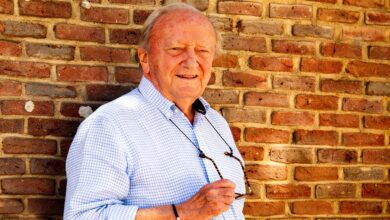
Westendorp, who passed away at the age of 89, was more than just a diplomat—he was the architect of the strategies that allowed Spain to become a prominent player on the European stage. His work as foreign minister, permanent representative to the European Communities, and member of the European Parliament became a model for an entire generation of politicians. As noted by El Pais, he was instrumental in shaping the legend of the “Prussians of the South,” emphasizing the discipline, transparency, and teamwork of Spanish officials.
Spain at the heart of change
In the late 1970s, Westendorp joined the group responsible for negotiating Spain’s entry into the European Community. His expertise enabled the country not only to navigate the challenging path of integration but also to develop its own diplomatic style in Brussels. In 1986, as the nation’s first permanent representative, he put the accession agreements into practice, at a time when Spain was just beginning to find its footing within European institutions.
A crucial milestone was his role in the reform of the Maastricht Treaty. On Spain’s initiative, he proposed the inclusion of the Cohesion Fund in the agreement, a key moment for the country’s future development. When European officials tried to limit the fund’s significance, Westendorp stood firm, ensuring its status was established as a commitment. This approach secured Spain additional resources and greater recognition among its partners.
A new kind of diplomacy
Westendorp was known for his ability to find common ground with representatives of various political groups. He regularly brought together Spanish MEPs to discuss current issues and share updates on negotiations. This working style is almost impossible today, but at the time it allowed Spain to forge a unified position on the European stage.
He paid special attention to the social aspects of European reforms. Thanks to his initiatives, the Amsterdam Treaty introduced new areas such as consumer rights protection, environmental safeguards, and healthcare. These changes helped the European Union respond more effectively to challenges, including pandemics and environmental crises. According to El Pais, his ability to listen and unite people earned respect not only for himself but for Spain as a whole.
Challenges and new tests
In 1995, Westendorp was entrusted with preparing a report on possible reforms of European treaties, and later became one of the authors of a report on the future of the Union. His ideas are still used in the work of European institutions today. In the late 1990s, he assumed the position of High Representative for Bosnia, at the same time performing a similar role on behalf of the EU — a unique case in the history of European diplomacy.
During this period, he invited a young Pedro Sánchez to join his team, teaching him the art of negotiation and perseverance. This approach to building a talent pool set an example for other countries. Westendorp also demonstrated that diplomacy requires not only office work, but also the readiness to make decisions under challenging conditions.
Context and parallels
In recent years, Spain has repeatedly faced the need to reform its relations with European institutions. For instance, recent changes in the cabinet and the appointment of new ministers have already influenced budget negotiations, as seen in the analysis of the regional funding situation. Such developments highlight the crucial role experienced diplomats and strategists play in shaping the country’s future.
Throughout Spain’s history, there have been figures capable of reshaping events on the international stage. In recent years, the country has played an active role in discussions on European Union reforms, as well as in resolving crises in the Balkans and other regions. These examples show that the contributions of individuals can influence the development paths of entire nations and alliances.