In Spain, public debate over the role of the Church in politics is intensifying amid the growing influence of the far right. For many citizens, it is important how the Church responds to attempts to use religion for political purposes. Recent statements by the Archbishop of Catalonia indicate that the Church is not willing to compromise when it comes to defending vulnerable groups.
The Archbishop’s stance
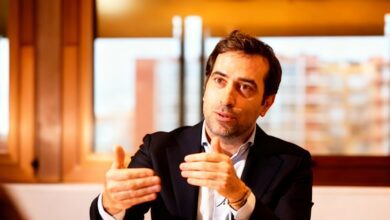
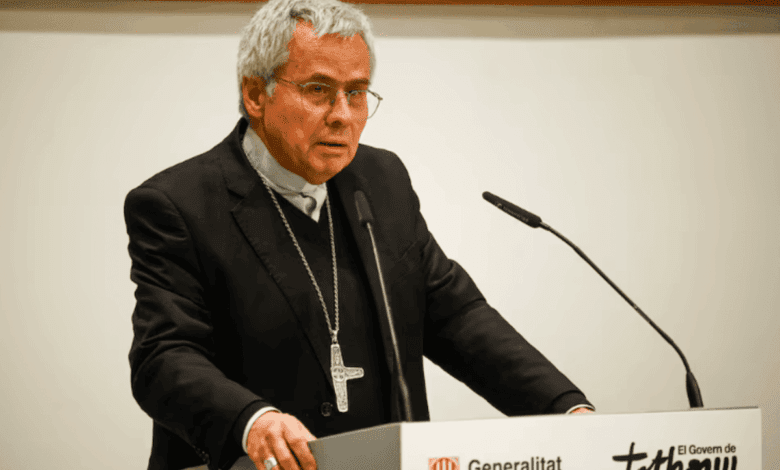
Archbishop Joan Planellas, who leads the Catholic Church in Catalonia and the Diocese of Tarragona, is known for his straightforwardness. He rejects formal titles and favors open dialogue. After the Vox party criticized bishops for supporting the legalization of migrants, Planellas replied that xenophobia is incompatible with Christian values. According to El Pais, the topic regained relevance after the Pope warned Spanish bishops about the risk of manipulation by radical movements.
In an interview, the Archbishop emphasized that the Church does not adhere to political ideologies but maintains clear moral principles. One of these, he said, is the duty to help those in difficult circumstances. In his opinion, this is what distinguishes the Church from political bodies, which often seek to blame vulnerable groups.
Response to political attacks
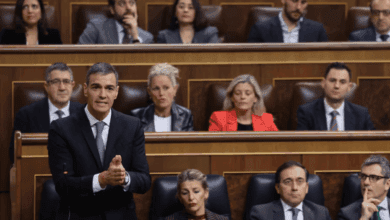
In the near future, the archbishop will travel to Madrid to participate in a meeting of the Standing Committee of the Spanish Episcopal Conference. One of the main topics will be the government’s plan to legalize migrants, which has drawn sharp criticism from the far right. Vox representatives accused the Church of betraying national interests, and some deputies linked the rise in crime to migration.
Planas believes that such statements only increase division in society. He notes that accusations against migrants are often based on misconceptions and fears. In his view, these remarks do not align with Christian teaching, where helping one’s neighbor is at the core of faith. The archbishop refers to the Gospels, reminding that caring for those who suffer means caring for Christ Himself.
Impact on society
The archbishop calls to resist polarization and remember the dignity of every person. He points out that many migrants are forced to leave their countries due to humanitarian crises, made worse by reduced aid from Western states. In particular, he mentions the decrease in support for non-profit organizations in the USA, which, in his opinion, only exacerbates the migration problem.
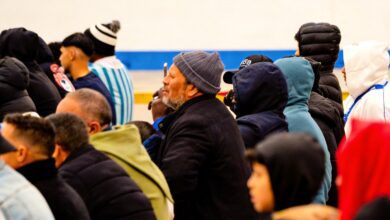
In everyday life, the Church supports migrants through parishes and charitable organizations like Caritas. Here, people receive not only material assistance but also the support needed to adapt. The Archbishop emphasizes that sometimes the most important thing is to be open and willing to listen, not just to give money. He calls on society, especially those with far-right views, to be more open to dialogue and to seek the truth, rather than blaming others.
Context and consequences
The question of the Church’s role in Spanish politics and migration policy is becoming increasingly urgent. Recently, as reported by El Pais, the Pope personally warned Spanish bishops about the dangers of using religion to serve radical movements. This coincided with growing tensions between Spain and other EU countries, already discussed in the article on how Italy’s decisions influence Madrid’s position in Europe — how political disagreements affect international relations.
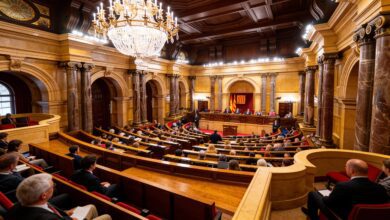
In recent years, Spain has been facing new challenges related to migration and rising political polarization. In 2025, an initiative to legalize migrants sparked heated debates in parliament and society. In 2024, similar disputes arose around the distribution of aid between regions and the Church’s role in supporting vulnerable groups. These events show that issues of migration and social support remain among the most pressing in Spanish society.