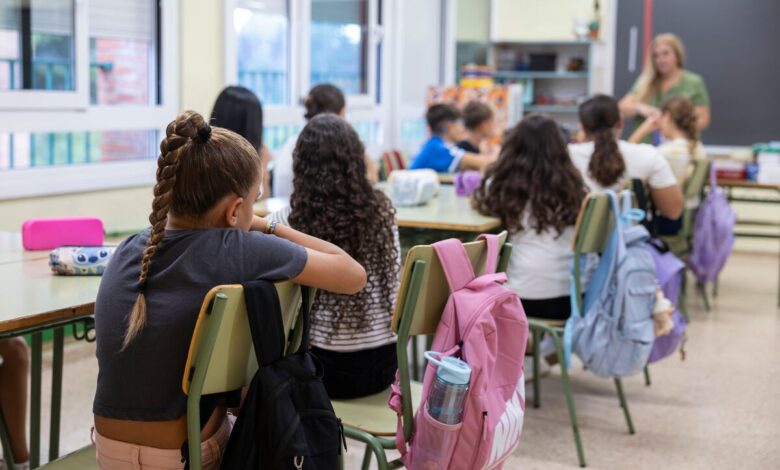
A serious crisis is brewing in Catalonia’s education sector: most local teachers say they cannot prepare properly for classes due to endless paperwork. According to a large survey of public school staff, nearly two-thirds of teachers face excessive workloads, while 88% believe that their work is no longer valued by society.
Bureaucracy has become one of the main sources of frustration. Teachers report that filling out documents and writing reports takes up so much time that there’s simply none left for lesson planning. More than three-quarters of respondents admitted they can’t devote as much attention to classes as required. Other problems include overcrowded classrooms, a shortage of specialists for children with special needs, and overall dissatisfaction with professional training levels.
Financial issues are also a sore spot. Even though complaints about salaries have decreased compared to last year, teachers still consider themselves among the lowest paid in the country. Many are especially angry that regional bonuses have not been updated for years and promises from the authorities to improve working conditions remain unfulfilled.
Demands and protests: What changes do teachers want?
In response to the prolonged crisis, unions have announced a unified protest. Teachers are demanding smaller class sizes, more staff and specialists, less bureaucratic burden, and a review of the pay system. In addition, educators are calling for changes to the academic calendar and a shift to a more convenient work schedule.
Particular frustration stems from the lack of real action by the regional government. Teachers note that, despite numerous promises, none of the key issues have been resolved. Moreover, new initiatives often end up making paperwork even more complicated.
Looking ahead: possible changes in Catalonia’s schools
The situation in Catalonia’s educational institutions remains tense. The large-scale protest planned for the coming days could become a turning point for major changes in the system. Teachers hope their demands will finally be heard and that the profession will regain its former prestige. Otherwise, many warn, staff shortages and a decline in education quality may become a reality in the coming years.