In the very heart of the Pyrenees, nestled among mountain peaks and dense forests, lies a village often called one of the most picturesque corners of Spain. Bagergue is more than just a spot on the map—it’s a true oasis for those weary of city life, seeking tranquility filled with the scent of fresh flowers and crisp air.
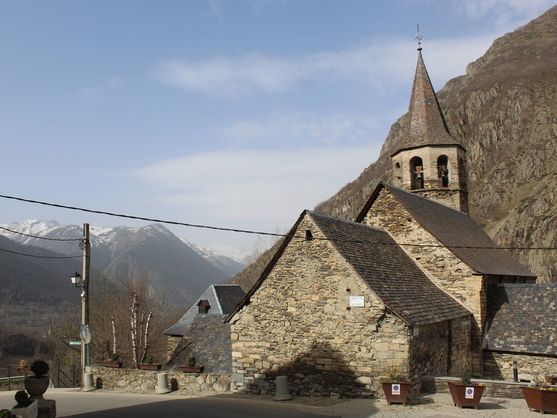
Located at an altitude of nearly fifteen hundred meters, this settlement in the Val d’Aran stands out not only for its location but also for its unique atmosphere. Home to just over a hundred residents, every house and every street seems designed to delight the eye. Stone walls, wooden balconies, slate roofs—all create the feeling that time stands still here. In spring, the facades are literally covered in flowers: geraniums, petunias, gitanillas—at times, it seems there are more of them than people. It’s no wonder the village has been awarded the highest honor by the Viles Florides association.
Life in Bagergue moves at a gentle pace. Here, you can hear the creak of an old door or the echo of the church Sant Felix’s bell ringing through the valley, as it has for eight centuries. Inside, the church houses a Gothic crucifix, and the atmosphere is steeped in calm and history. Just a kilometer away stands the chapel Santa Margarita, restored by locals after the war—a further reminder of the strong bonds between generations.
The village is not limited to the present. At the Eth Corrau museum, housed in an old building on the main street, thousands of objects tell the story of life before the arrival of tourists. Inside, the air smells of wood, metal, and the past, while outside the museum walls, you breathe in the freshness of the mountain air.
Surprisingly, Bagergue even has its own ‘beach’ area: in summer, locals and visitors swim in the icy natural pools of the Unhola River. There are no usual beach amenities here—just clear water, stones, and laughter echoing off the rocks. Popular hiking trails begin from the village, leading to the Coth de Varados pass or to the sanctuary of Mongarri, where nature still reigns supreme. In winter, the village turns into a snowy fairy tale, in autumn—a palette of colors, and in spring—a sea of green. Each season brings its own changes but never disturbs the harmony.
Gastronomy is also worth noting here. At the Unhòla restaurant, in business since 1985, you can sample both traditional valley dishes and exquisite meat delicacies. Other places, such as Casa Perú or Borda de Lana, serve homemade food, with stone, wood, and an open fire creating a cozy atmosphere.
Those who choose to stay overnight can opt for apartments or rural houses. The windows offer views of the sunrise over the valley—an unforgettable sight. The road to Bagergue passes through Salardú, bypassing the bustle of Vielha and the ski slopes of Baqueira-Beret. Once the asphalt ends, a different life begins: just mountains, the village, and silence. No one comes here by chance—you come for a feeling that can’t be bought or planned. And when leaving, many understand why this place is called the most beautiful in Catalonia.